Hares Looking Gaunt and Worrying: How to Prevent and Treat Emaciation Disease in Hares
Many hare farmers will notice that young hares within 3 months of age can develop a disease. At first, the young hares simply have a reduced appetite, and gradually the hares' coat becomes dull and even loses color, and they lose their vitality, walking with an arched back. The conjunctiva of the rabbit's eyes becomes pale, and they gradually lose weight, eventually becoming skin and bones and dying of exhaustion. Those sick rabbits that do not die may survive, but their development comes to a complete standstill, and they have no value for breeding at all. In fact, this is emaciation disease in hares.
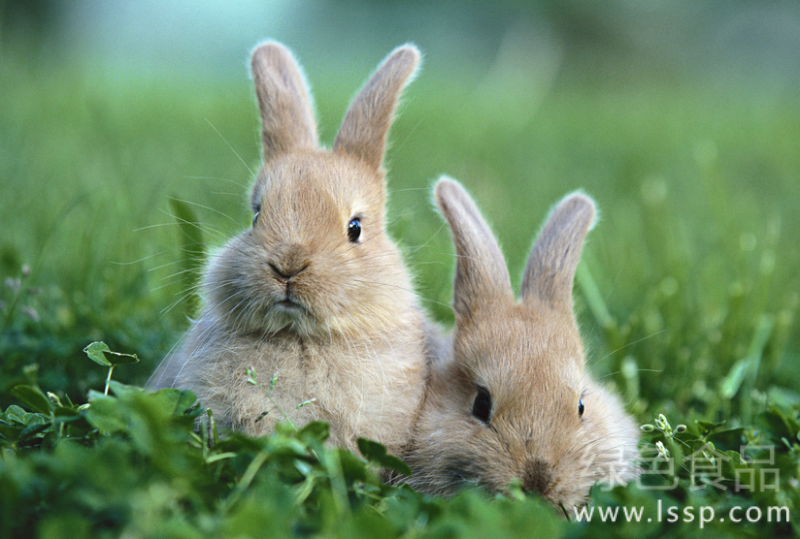
Hares
Severe degeneration of breeding hares; poor feed quality; parasitic diseases; certain infectious diseases; certain internal diseases, and other causes can all lead to emaciation disease in hares.
Comprehensive prevention and treatment measures for emaciation disease in hares:
1. Strengthen feeding management, and pay attention to the environmental sanitation around the rabbit housing. Regularly disinfect the rabbit cages and rabbit housing, and group the hares for rearing by age, sex, body weight, and strength. The daily ration for hares should be properly formulated to avoid a single nutrient source. It is strictly forbidden to feed hares moldy or toxic feed, or frozen forage and forage covered with dew.
2. Establish pedigree records for breeding rabbits. Set up separate breeding cards for female hares and male hares, so that mating and kindling are recorded, making the blood relationships of the rabbit flock clear, and avoiding inbreeding, early mating, and continuous blood mating. Suckling young rabbits at 20 days of age can begin supplemental feeding, and the transition process of hares from weaning to eating feed should be handled well.
3. Deworm on schedule. After young rabbits are weaned, to prevent coccidiosis, compound diaveridine and robenidine can be added to the feed. The dosage of robenidine for 1 young rabbit should be controlled at 15 mg per day orally, or 300 mg added per kilogram of feed, fed continuously for 4 to 5 days; the dosage of diaveridine for each young rabbit is 1 tablet per day, fed continuously for 7 days, then stop the medication for 3 days, then feed for another 7 days; for rabbit mange, subcutaneous injection of ivermectin can be used, at a ratio of 0.2 mL of medication per kilogram of rabbit body weight, repeated once every 7 to 10 days. For young rabbits around 2 months of age, ivermectin powder can be used, mixed into the feed at a ratio of 0.1 g per kilogram and fed to the rabbits once, to prevent digestive tract parasitic diseases in hares.
4. For hares that are emaciated and whose growth has stalled, equal appropriate amounts of the Chinese herbal medicines centipeda minima, striga asiatica, and desmodium can be selected and decocted in water for oral feeding. Alternatively, 5 to 10 mL of fresh rabbit blood can be mixed into the feed each time, or 2 to 3 mL of blood collected from healthy rabbits each time can be used for intramuscular injection, once daily, for 3 to 5 consecutive days.