Raising Silkie chickens differs from ordinary chickens; three points to note
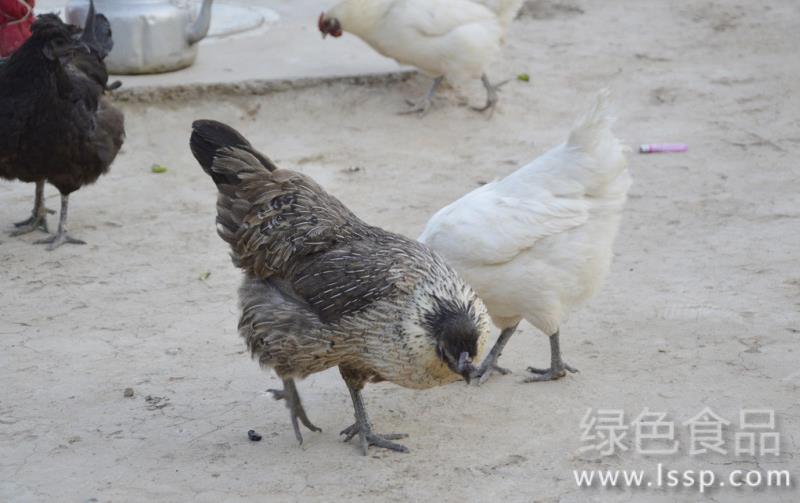
Silkie chicken
After hatching, Silkie chicks are slower to react than other breeds of chickens, do not know hunger or fullness, are easily frightened, and have higher temperature requirements. For one-week-old Silkie chickens, the daytime temperature should be 32°C and the nighttime temperature should be 34°C, then decrease by 1°C to 2°C each week; only after the down has fully shed and new feathers have grown in at two months of age can heating be stopped. Place newly hatched Silkie chicks under dim light to rest first; after 10 to 24 hours, provide bright light for drinking and start feeding, then dim the light, using a 15W incandescent lamp for illumination. For drinking water, first use 0.2% potassium permanganate solution; if there are Silkie chickens that chirp under light but do not eat, drip a few drops of sugar water into their mouths, and after they pass the meconium they will eat. Farmers had best brood the chicks on a heated brick bed covered with one cun of fine sand. For the first feeding of Silkie chickens, feed them eight-tenths cooked millet or fine corn grains, sesame seeds, etc. After 3 to 5 days, place feed troughs and switch to chick feed. Afterward, every 5 days give the Silkie chickens potassium permanganate water or garlic water once to prevent disease.
The feeding and management of Silkie chickens are roughly the same as for ordinary chickens, but Silkie chicken feed should be relatively fine, with crude protein content between 14% and 18%, and metabolizable energy of 2500 to 2800 kcal per kg. The daily ration should be mainly grain, and 20% to 30% of the concentrated feed should be given as green, juicy feed. Allow free access to sand. Silkie chickens are afraid of dampness and humidity, so the chicken house should be well ventilated and the floor dry. It is best to set up perches more than 1 m high in the chicken house for the chickens to rest on, which can reduce disease and improve the survival rate. The flock size of Silkie chickens should not be too large; generally 100 to 120 is more appropriate. Feed should be sufficient, and the appropriate amount each feeding is controlled so that it is finished within 1 hour. For the chicken house and exercise yard, new soil 20 cm deep should be replaced once a year.
Silkie chickens have a delicate constitution and poor stress resistance, and are prone to death after becoming ill. Therefore, the focus of Silkie chicken farming should be on disease prevention. First, strengthen the feeding and management of Silkie chickens, and disinfect both inside and outside the chicken house regularly. The chicken house and exercise yard should be cleaned frequently, and the bedding should be sun-dried and changed often. Every day, the feed troughs, waterers, etc. should be washed clean, and once every half month disinfect with a 1% to 2% caustic soda solution. Second, the epidemic prevention system should be sound. Establish a scientific immunization program for Silkie chickens. For those diseases that cannot be controlled by vaccines, effective prevention can be carried out according to the patterns of disease occurrence.