Goats are prone to miscarriage, how to prevent and control it?
Spring is the peak season for female goats to come into heat and mate. After mating, although some goats can conceive, they are prone to miscarriage. The causes of goat miscarriage are extremely complex, and are generally divided into ordinary miscarriage (or non-pathogenic miscarriage), infectious disease miscarriage, and parasitic and other pathogenic miscarriage. So-called ordinary miscarriage refers to miscarriage caused by malnutrition in goats leading to fetal deformity, etc., or miscarriage caused by external forces. Parasitic miscarriage refers to miscarriage after infection with salmonellosis, bluetongue disease, etc. Infectious miscarriage refers to miscarriage after goats are infected with infectious diseases such as brucellosis. So how should goat miscarriage be prevented and controlled?
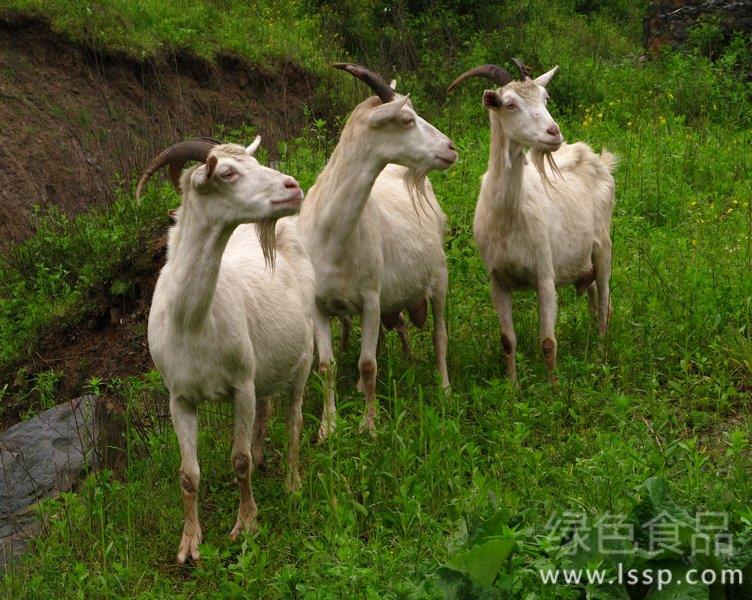
Goat
1. Strengthen the prevention and treatment of goat diseases.
When miscarriage in a female goat is caused by chlamydiosis or brucellosis, the miscarrying goat should be isolated immediately, the fetus, fetal membranes, and contaminated objects should be thoroughly disinfected and disposed of, and vaccination should be used to effectively prevent and control infection from the disease. Strict prevention and treatment plans should be formulated for such infectious diseases to reduce the harm they bring to goats. A positive culling system should be adhered to for miscarrying female goats in order to achieve the goal of purifying infectious diseases.
2. Do a good job of deworming.
Do a good job of deworming the flock, using deworming veterinary drugs such as Chongkexing, Afuding, Yilijia, Alijia, etc. Deworm regularly in spring and autumn to reduce and control the number and harm of internal and external parasites in goats. After deworming, pile up the manure and carry out biological fermentation.
3. Strengthen feeding management.
Improve the level of goat feeding management, and avoid miscarriage induced by improper management factors such as cold exposure, overcrowding, water shortage, and consumption of poisonous grass, frosted grass, icy water, etc. At the same time, scientific grazing should be carried out, and ewes that have given birth, rams, and lambs should be given supplementary feeding in a timely manner, with supplementary feeding standards for winter and spring formulated; the supplementary feeding standard for goats in late pregnancy should be higher than that in early pregnancy, so as to improve the immune function of the goat body. Supplementary feeding of sheep should be done at fixed times and in fixed amounts, and moldy forage and feed must not be given as supplementary feed.
Goat
4. Provide balanced nutrition.
To ensure the intake of sufficient nutrients, adequate and complete-nutrition forage and feed must be provided. In winter and spring, grazing alone cannot meet the goat's own nutritional needs, especially the nutritional requirements for the growth and development of the fetus in the belly of a pregnant ewe. Goats should be provided with nutritionally balanced complete feed to ensure an adequate supply of protein, vitamins, and minerals needed for fetal growth and development. At the same time, goats should also be fed more carrots and grain feeds such as corn, cottonseed, cottonseed cake, or soybean cake to increase the ewe's resistance and ensure that the fetus can grow and develop normally.
5. Do a good job of sanitation and disinfection of the flock's pens.
The pens should be clean and hygienic, with sufficient sunlight and good ventilation. In winter and spring, the interior of the goat pen should be cleaned every day, and discarded straw left in the feed trough and wool that has fallen in the pen should be cleared away. Manure and weeds in the pens should be removed in a timely manner, and the sheds and pens should be disinfected regularly to prevent the introduction of epidemic diseases.
6. Do a good job of immunization.
Formulate immunization procedures for goats according to local conditions, inject goats with miscarriage-preventing vaccines in advance, and use artificial insemination technology for mating as much as possible to prevent the introduction of external epidemic diseases and guard against infection.