Prevention and Treatment of Three Common Diseases in Chickens in Spring
Spring is the best season for the survival and spread of many viruses and bacteria. In addition, because farmers keep chickens under poor rearing conditions and low management levels, the flocks are often in a harsh environment with insufficient oxygen, low temperature, high humidity, high carbon dioxide and high ammonia, which lowers their disease resistance and makes them vulnerable to various infectious diseases.
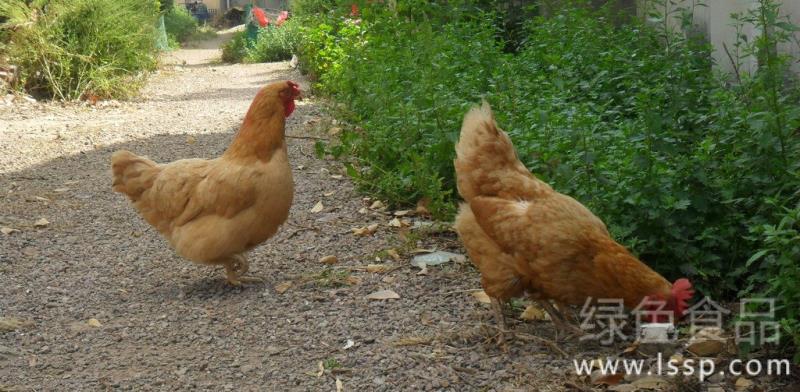
Chicken
1. Egg drop syndrome. It occurs mostly during the peak laying period or the rising laying period of chickens, and is commonly seen under natural conditions such as a sudden drop in temperature. The egg production of the flock drops by about 20%, and in some cases even by 40%. The symptoms of egg drop syndrome are similar to those of respiratory syndrome, and the causes are related to factors such as viral infection, toxic side effects of drugs, improper feed or feeding, and stress factors.
Prevention and treatment measures: In addition to vaccination against egg drop syndrome and strengthening comprehensive health care, the other prevention and treatment methods are similar to those for respiratory syndrome.
2. Broiler ascites syndrome. It is mostly seen in chickens aged 4 to 5 weeks, with an incidence of generally 3% to 5%, and is the most serious disease of broilers in winter and spring. Sick chickens have an enlarged abdomen, purple head and face, difficulty breathing, and gradually die from exhaustion.
This disease is multifactorial. Among the factors, cold inside the chicken house, excessively high ammonia concentration, chronic hypoxia, genetic factors, feeding high-energy feed, too rapid growth, nutritional factors (such as deficiency of selenium, vitamin C and phosphorus) and poisoning (such as from salt and drugs) are the main pathogenic factors of ascites syndrome.
Prevention and treatment measures: 1. Improve the rearing environment. Pay attention to keeping the chickens warm, and at the same time ventilate the chicken house to the greatest extent. 2. Rationally formulate the feed. The energy content of the feed must not be too high, salt must not be excessive, calcium and phosphorus must be balanced, and vitamin supplements (especially vitamin E and vitamin C) and sodium bicarbonate (0.2%) should be added appropriately. 3. Restrict feeding in the early stage. Broilers can be appropriately restricted from 2 to 3 weeks by feeding 90% of the normal daily ration. 4. Reduce stress responses and prevent poisoning. In particular, prevent the administration of drugs such as sulfonamides and furans whose toxicity exceeds the functioning capacity of the kidneys and liver; the dosage of antibiotics such as aminoglycosides and quinolones must not be too large; and prevent feeding moldy and spoiled feed. 5. Ascites syndrome is often complicated by colibacillosis or chronic respiratory disease. Antibacterial drugs such as amoxicillin (10 g/100 kg water) or ampicillin and ciprofloxacin (5 to 10 g/100 kg water) can be selected to prevent secondary infection.
3. Swollen head syndrome. It is an infectious disease caused by avian pneumovirus and secondary colibacillosis. It can occur in broiler chickens, broiler breeders and commercial laying hens, and is common in broilers. Sick chickens have swelling of the tissues around the eyes, the head and face, and even the wattles under the lower jaw, and show neurological symptoms such as head shaking and torticollis.
Prevention and treatment measures: 1. Improve the rearing environment. Refer to the above improvement measures for broiler ascites syndrome. 2. Prevent secondary infection by Escherichia coli bacteria. Ciprofloxacin, ampicillin or sulfamonomethoxine (0.03%) can be selected for treatment, and some antiviral drugs can be appropriately used in combination. 3. Immunization. Attenuated vaccine (spray at 1 day of age) or inactivated vaccine can be selected for immunization.