How to Diagnose and Treat Foot Rot in Sheep? Detailed Prevention and Control Measures
The main outbreak season for sheep foot rot is spring, as continuous spring rain more easily leads to a high incidence of foot rot.
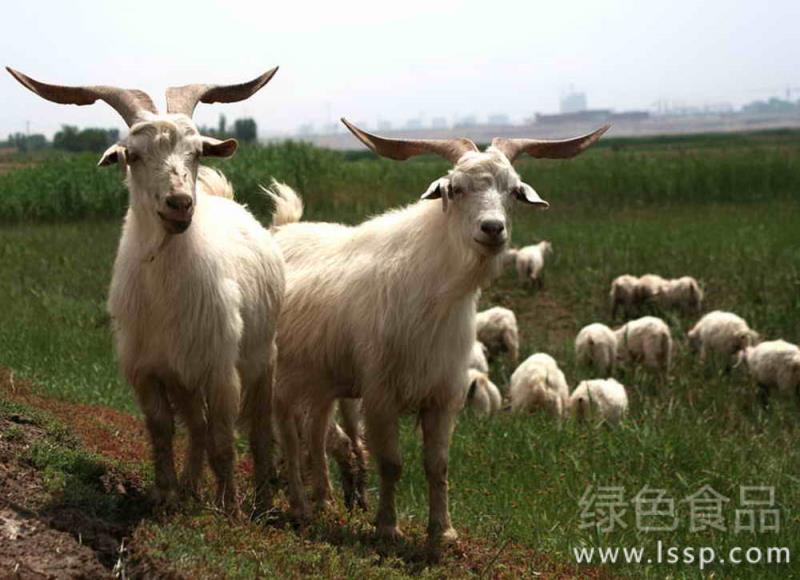
Sheep
Foot rot in sheep occurs mainly because the forage fed to sheep lacks the minerals calcium and phosphorus, or the calcium-to-phosphorus ratio is unbalanced, or there is a deficiency of trace elements such as zinc and copper, leading to porous, weakened hooves. Combined with the very humid and muddy conditions in the sheep shed in spring, the sheep's hooves are soaked for long periods in manure, urine, mud and rainwater, causing softening of the local tissues of the hooves. In addition, sharp objects such as stones, iron filings, hard twigs and grass, and glass shards puncture and injure the soft tissues of the hooves, ultimately causing inflammation of the hooves due to bacterial infection.
For diagnosis and treatment, first restrain the affected sheep in lateral recumbency, taking special care to prevent pregnant ewes from struggling violently during restraint and treatment, which could cause abortion. First, wash the affected hoof with clean water and fully expose the decayed area. Then disinfect the decayed area of the affected hoof with 0.5% potassium permanganate (pp powder) or 3% cresol soap solution, and then trim and shape the hoof with a hoof trimming knife. If a foreign object has penetrated the decayed area, remove the foreign object first, and use a scalpel to thoroughly cut away and clear the diseased tissue in the decayed area until fresh flesh tissue is exposed. Then disinfect the cleaned affected area with a disinfectant solution, pack it with cotton gauze soaked in iodine tincture or sulfonamide gauze, and bandage and secure it, changing the dressing once every 1 to 2 days. Place the bandaged affected sheep in a clean pen for feeding, and soak the affected hoof in 10% copper sulfate solution 2 to 3 times a day for 5 to 10 minutes each time, until the affected sheep recovers. For sheep with severe foot rot, in addition to surgical treatment, intravenous injection can be given with 500,000 to 1,000,000 units of tetracycline and 10 mL of vitamin C added to 500 mL of 10% glucose saline.
To prevent foot rot in sheep, attention should be paid to keeping the sheep shed and exercise yard clean and dry. During the spring rainy season, the sheep shed and exercise yard should be cleaned and bedded frequently to keep them dry and clean. At the same time, the grazing and exercise time and sunlight exposure time of the flock should be increased to keep the hooves dry. Sharp foreign objects such as glass shards, stones, iron filings and twigs and grass in the sheep shed, exercise yard and pasture should be frequently cleared away, and care should be taken to prevent the sheep's hooves from being punctured by sharp foreign objects, reducing the chance of hoof infection. In feeding the flock, besides paying attention to the reasonable combination of concentrated, coarse and green forage, sheep farmers should especially pay attention to the supply of the minerals phosphorus and calcium and the trace elements copper and zinc. If the forage fed to the flock lacks calcium or phosphorus or has an imbalanced calcium-to-phosphorus ratio, 0.5% to 1% bone meal can be added to the forage, and sheep lick blocks can be hung in the sheep shed to supplement the minerals calcium, phosphorus and other trace elements needed for the flock's growth and development. To address the problem of forage lacking trace elements such as zinc and copper, each sheep can also be supplemented with 4.5 mg each of copper sulfate and zinc sulfate per kilogram of body weight per day. For flocks with a relatively high incidence of foot rot, a copper sulfate solution hoof soaking method can first be used for prevention. The method is to build a cement disinfection pool at the entrance and exit of the sheep shed and put copper sulfate solution at a concentration between 10% and 30% into the pool, and when the flock enters and exits the sheep shed, let the flock stay in the copper sulfate solution for a few minutes as appropriate. Soaking the hooves frequently in copper sulfate solution can effectively prevent and control sheep foot rot, and it is economical and practical.