What forage grasses are there for feeding ducks? A detailed explanation of three forage grasses suitable for green ecological duck farming
Because feed contains hormones and other chemical substances that are bad for human health, people nowadays prefer to choose ducks raised on natural green feed. Today I will introduce three forage grasses suitable for feeding ducks.
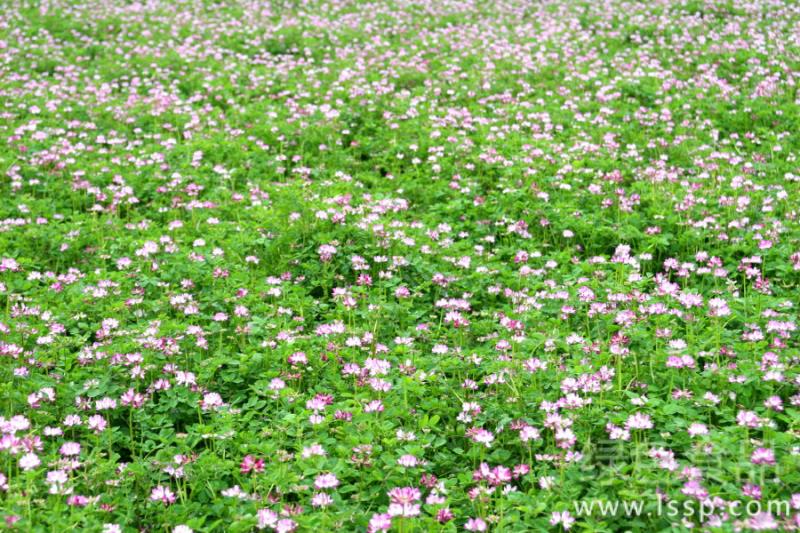
Alfalfa (purple-flowered alfalfa)
1. Alfalfa: Because of differences in growing years and natural conditions, the yield of alfalfa varies widely. The fresh grass yield per mu 2 to 5 years after sowing is generally 2000 to 4000 kg, and the hay yield is 500 to 800 kg. The stems and leaves of alfalfa are rich in carotene, minerals, various vitamins and protein, especially the leaves, which have a higher content. In fresh and tender alfalfa, the leaves account for about 50% of the weight of the whole plant. The crude protein content in the leaves is 1 to 1.5 times higher than in the stems, but the crude fiber content is less than half that of the stems. The total nutrients digested from the same area of grass-family forage are only one half of those from alfalfa, the digestible protein is one third, and the minerals are one sixth.
Ryegrass
2. Ryegrass: Ryegrass has 4.93% crude protein, 1.06% crude fat, 4.57% nitrogen-free extract, 0.075% calcium, and 0.07% phosphorus. Among these, the crude protein and crude fat content in ryegrass is 3 times higher than that of local weeds.
Chicory
3. Chicory: Because of its effects of clearing heat and detoxifying, and promoting urination and reducing swelling, chicory can be used as a Chinese medicinal material, mainly treating damp-heat jaundice, nephritis edema, stomach distension and pain, and poor appetite. Chicory leaves are fresh, tender and juicy, and rich in nutrients. The crude protein content of chicory at the leaf rosette stage is 22.87%, and the crude protein content of chicory at the early flowering stage is 14.73%, averaging 17%, with a crude protein yield of 250 kg/mu. Chicory at the early flowering stage contains 2.1% crude fat and 30.6% crude fiber. The amino acid content in chicory is also very rich. The content of 9 essential amino acids in chicory at the leaf rosette stage is higher than that in alfalfa meal, and it is rich in vitamins, carotene and calcium. Chicory has good palatability and a high utilization rate, and ducks especially like to eat it.