Rapid squab fattening technology can improve economic returns
Squabs at 18 days of age have high muscle moisture content, little subcutaneous fat, and poor palatability. To improve the meat quality of squabs and enhance palatability, squabs can be fattened 5~7 days before sale or slaughter, so that after cooking the squab has crisp skin, tender meat, soft bones, and a fragrant, smooth, and tasty flavor.
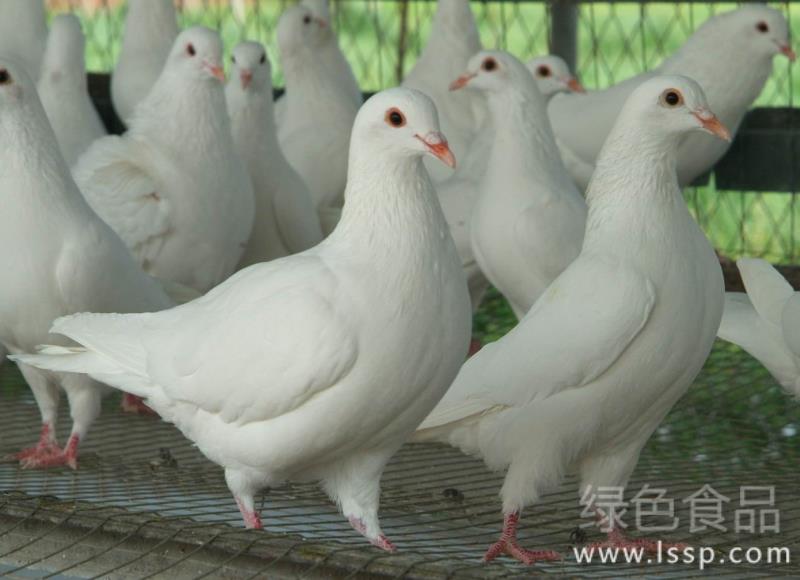
Squab
Any squab aged 14~18 days, large in body size, weighing more than 350 grams, with plump muscles, smooth feathers, and healthy and disease-free can be selected for fattening. Squabs older than 21 days, thin and small in body size, with rough and messy feathers, red-black skin and flesh, injured bodies, infected with some kind of disease, and weighing less than 300 grams are not suitable for fattening.
Corn, wheat, peas, mung beans, broad beans, sorghum, brown rice, etc. can be used as fattening feed for squabs. In the total ration, beans account for about 20%~25%, and corn, wheat, and brown rice should be no less than 75%~80%. Grind the beans before feeding them to the squabs. If conditions permit, pigeon farmers can add an appropriate amount of milk powder and yeast tablets to the feed and prepare it into a semi-liquid feed. Fattening is carried out by the method of forced feeding. During the fattening period, pay attention to observing the condition of the squabs, because bean feed has a high fat content, and pigeons are prone to gastrointestinal discomfort, diarrhea, or indigestion, causing squabs to become ill from food accumulation in the crop. Once discovered, promptly add an appropriate amount of cinnamon, fennel, dried tangerine peel, and other digestion-helping foods to the squabs' daily ration.
If the number of squabs is small, pigeon farmers can use the manual mouth-feeding method. The person doing the feeding first puts the soaked crushed feed together with an appropriate amount of water into the mouth, then lifts the pigeon with the left hand, pries open the pigeon's beak, and, facing the pigeon's mouth with their own mouth, gently blows the water and feed together into the squab's crop in one go. Each time, one mouthful of water and feed is used to feed one squab. When blowing feed, prevent too much breath from being blown into the squab's crop, which would affect the squab's digestion and health.
Pigeon farms with a large number of pigeons can use the mechanical tube-feeding method. First put the soaked crushed feed together with an appropriate amount of water into the hopper of the feeding device, then lift the pigeon with the left hand, pry open the pigeon's beak with the right hand, and point the squab's mouth toward the discharge outlet of the feeding device. Step on the switch with the right foot, and the feed and water are poured together into the pigeon's crop. Generally, each squab is fed twice a day, with 50~100 grams of feed each time.