What are the key points for spring feeding and management of Angora rabbits?
Spring is the best season for the growth and breeding of Angora rabbits, and green fodder also gradually becomes abundant in this season. However, spring weather is changeable, with more rainy days and high humidity, which makes it easy for bacteria to grow and parasites to reproduce. If the feeding and management of Angora rabbits is not done properly, they are prone to illness, so spring management work for Angora rabbits must be done well.
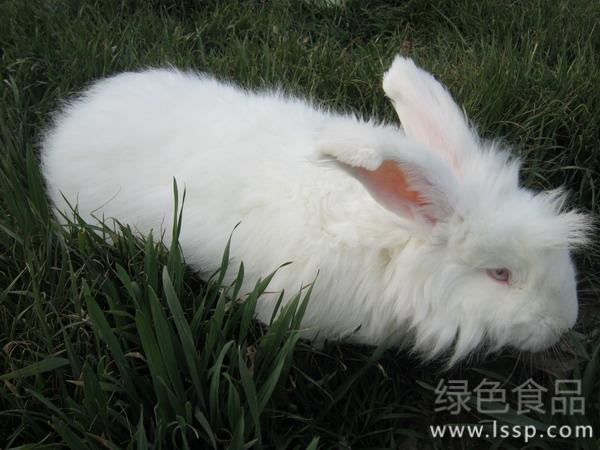
Angora rabbit
1. Strengthen care and pay attention to keeping warm.At night, close the doors and windows of the Angora rabbit house; in the evening, cover the outdoor rabbit house with corn stalks, straw curtains or plastic sheeting, and spread straw on the ground to prevent chilling at night.
2. Combine dry and green fodder to prevent stomach upset.Angora rabbits like to forage and have a good appetite, so dry and green fodder should be combined and mixed well for feeding, with small amounts fed frequently.
3. Seize the opportunity and breed at the right time.Spring is the season when Angora rabbits produce more young rabbits and of better quality. Young rabbits bred in spring become young adults by summer, with relatively strong resistance to disease and adaptability to the environment, which is beneficial for future breeding and expansion of the Angora rabbit colony. To help Angora rabbits maintain good reproductive performance, before mating, rabbit farmers should add one egg mixed evenly with boiling water for every 10 Angora rabbits to be mated.
4. Do a good job of sanitation and prevent disease.Clean out the droppings once every 2-3 days, wash the food bowls once, and add garlic or sulfonamide drugs to the Angora rabbits' feed once every 10 days.