Which feeds cannot be fed raw? Livestock feeding requires caution
Some livestock farmers, in order to save on feed, use plants they grow themselves as livestock feed. Logically, these green plants should be better than those concentrated feeds, containing no hormones and offering more comprehensive nutrition, and so on. But livestock farmers must be aware that some of these plants cannot be fed raw and must be processed. Today, the editor gives you several common feeds that cannot be fed raw:
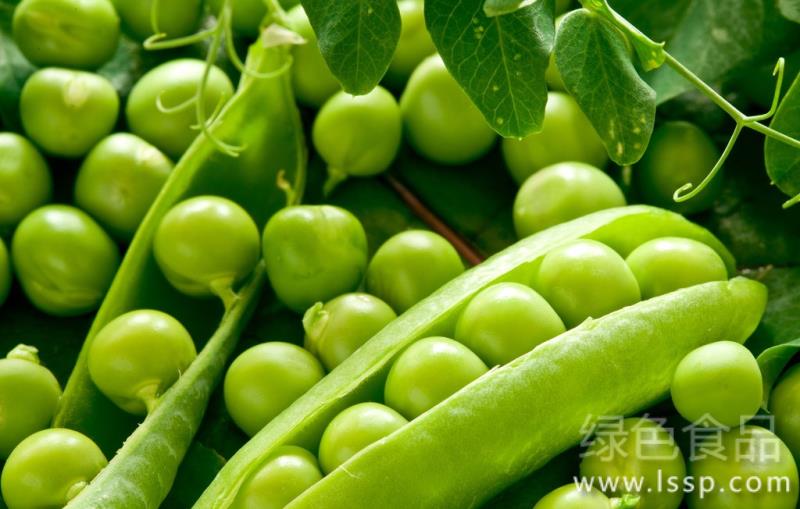
Raw peas
1. Raw peas.Raw peas contain two harmful substances, namely: 1. Trypsin inhibitor, which inhibits protease catalysis and protein breakdown in the livestock's body; 2. Trigonelline, which damages the livestock's central nervous system. However, after heat treatment, both of the above toxins can be eliminated. So livestock should be fed heated peas.
Raw soybeans
2. Raw soybeans (including yellow soybeans and black soybeans).Raw soybeans, soybean meal, soybean cake and cake meal contain three harmful substances. They are: 1. Trypsin inhibitor, which can inhibit protease catalysis and protein breakdown in the livestock's body; 2. Phytohemagglutinin, which can reduce blood cells and lower heme levels; 3. Urease, which breaks down protein and urea in the livestock's body to produce ammonia, irritating the digestive tract. Heating, steaming and roasting can all detoxify these three harmful substances. So livestock should be fed cooked soybeans.
Broad beans
3. Broad beans.Raw broad beans contain two harmful substances: trypsin inhibitor and pyrimidine glycoside. Steaming broad beans can remove these two harmful substances. So livestock should be fed steamed broad beans.
Okara
4. Okara.Okara contains anti-nutritional factors, so okara should be heated for about 15 minutes to destroy the anti-nutritional factors before being fed to livestock, enhancing palatability and improving the livestock's absorption and utilization of protein. Okara should be combined with other feeds, not fed alone, and the amount fed should not exceed one third of the total feed. At the same time, minerals in the feed should be supplemented, and some green, succulent feed should be added for the livestock to meet their needs for minerals and vitamins.
Cotton leaves
5. Cottonseed cake and cotton leaves.Untreated cottonseed cake and cotton leaves contain two main harmful substances: gossypol and cyclopropene fatty acids. 1. Gossypol damages the nervous system, blood vessels and organ cells, and after entering the livestock's digestive tract can cause gastroenteritis; 2. Cyclopropene fatty acids can cause atrophy of the ovaries and oviducts of female livestock, affecting the livestock's reproductive capacity. These two harmful substances can be removed: 1. After crushing, dry-heat or steam for 1 to 2 hours; 2. Before feeding, wash the cotton leaves clean and soak them in 2% to 3% limewater for 10 hours before feeding; 3. They can be soaked in ferrous sulfate powder for disinfection.
If you are preparing to feed your livestock with the above feeds, please first process the feed according to the above methods to avoid harming the livestock.