What to do when grass carp get enteritis? Detailed explanation of prevention and treatment methods
Enteritis is one of the most serious diseases of grass carp and can occur in all aquaculture regions nationwide. The epidemic season and severity of grass carp enteritis vary with climate changes. The disease season for 1-year-old to 2-year-old grass carp is from April to September, and the disease season for grass carp of the current year is from July to September. The average mortality rate of grass carp enteritis is 50%, and in severely affected ponds the mortality rate of grass carp can reach more than 90%.
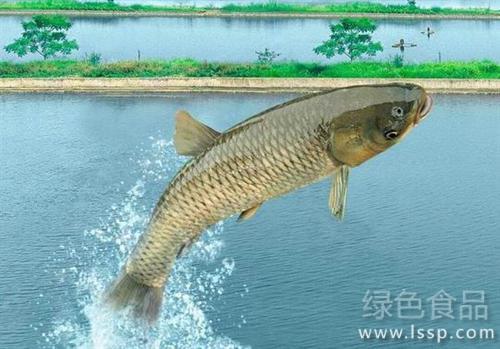
Grass carp
The pathogen of grass carp enteritis has been preliminarily identified as Aeromonas punctata. The suitable growth temperature for this bacterium is 25 degrees, and it can grow within a pH range of 6-12. This bacterium dies in environments with a temperature higher than 60 degrees.
Symptoms: Grass carp with enteritis have a distended abdomen with red spots, a protruding, red and swollen anus, and when the abdomen of the grass carp is gently pressed by hand, a pus-like and blood-mixed substance overflows from the anus of the grass carp. When the abdomen of the diseased fish is cut open, the abdominal cavity is filled with fluid, and it is clearly visible that the intestinal wall of the grass carp is reddish-brown and the capillaries are congested or ruptured.
Prevention and treatment
Prevention: (1) Thoroughly clear and disinfect the pond, and keep the water quality clean.
(2) Feeding fresh feed and not feeding spoiled feed is the key to preventing grass carp enteritis.
(3) When stocking fingerlings, use 8 ml-10 ml of bleaching powder and soak for half an hour;
(4) During the disease season, every half month, sprinkle bleaching powder or quicklime around the feeding area of the grass carp for disinfection.
(5) During the disease season, every half month, use Yufukang Type A or Type B-I, mix it into the feed and feed it, for 2 days-3 days continuously. When preventing grass carp enteritis, the dosage of Yufukang Type A or Type B-I is half of the therapeutic dose.
Treatment: (1) Yufukang Type A or B-I. For oral administration, use 200 g of Yufukang Type A or 100 g of B-I per 100 kg of grass carp.
(2) Sulfaguanidine or sulfadiazine. For oral administration, use 10 g per 100 kg of grass carp on the first day, and 5 g per day from the 2nd to 6th day.
(3) Kejunmin Type A. For oral administration, use 100 g of Kejunmin Type A per 100 kg of grass carp, mix with feed and feed, once daily, with 4 days as 1 treatment course.