For high yield and high quality in freshwater shrimp, spring aquaculture management is key
Freshwater shrimp is a type of aquatic product that is not easy to farm, and large-scale freshwater shrimp farming definitely requires good farming techniques. Today, the editor will introduce to you the key spring points for freshwater shrimp farming:
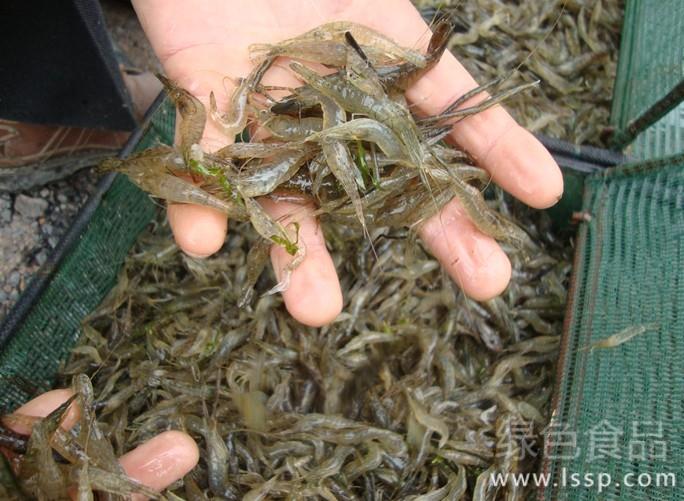
Freshwater shrimp farming
1. Timely separation and stocking of shrimp fry. As the weather warms up and the water temperature rises above 20°C, freshwater shrimp begin to molt. At this time, the shrimp body lacks a protective shell and is easily bruised and infected. Therefore, before stocking, the pond should be dried well, and quick disinfection of the farming pond should be carried out using drugs such as active iodine and bleaching powder. For farming ponds with moss, green algae, and blue-green algae, copper sulfate should be sprayed over the whole pond once. In ponds without shrimp-collecting ditches, a ditch should be dug manually, which can both retain water for drying the pond and make it easier to collect and harvest the shrimp. The stocking rate per mu of farming pond depends on the size of the freshwater shrimp, generally controlled at 10 kg to 20 kg.
2. Water quality management for farming. For farming ponds that have already been stocked with freshwater shrimp, the minimum water level should be kept above 60 cm, and fresh water should be added once every 7 to 10 days. For ponds with relatively lean water quality, 200 kg to 400 kg of fermented organic fertilizer and 5 kg to 10 kg of chicken manure pellets should be piled in. This serves to cultivate nutrient-rich water, increase natural animal-based feed for the freshwater shrimp, and reduce the occurrence of the three pests in the pond: moss, foul green slime, and blue-green algae. If the pond has relatively sufficient fertility, then after the temperature rises, apply 5 kg to 7.5 kg of inorganic fertilizer per mu once. At the same time, aquatic plants should be properly cultivated and transplanted in the pond to account for about 30% of the total area, and excess aquatic plants should be removed promptly.
3. Do a good job of bait feeding. When the weather is clear and the pond water temperature rises above 18°C, bait should be fed in a timely manner. At first, feed once a day; after the weather becomes normal, feed once in the morning and once in the afternoon. Feed self-prepared freshwater shrimp bran, wheat bran, soybean cake, or nutritionally complete freshwater shrimp pellet feed, and add animal-based feed such as small trash fish and fish meal. The bait fed should account for 3% to 6% of the freshwater shrimp stock in the pond. Post-feeding inspection work should be done well, and the feeding amount should be adjusted promptly according to the daily feeding situation of the freshwater shrimp, so as to prevent both waste and insufficient bait feeding.
Freshwater shrimp
4. Prevent shrimp disease hazards. After stocking, normal freshwater shrimp farming ponds can be splashed throughout the whole pond once with bleaching powder or active iodine solution in mid-March to prevent bacterial infection caused by bruising in freshwater shrimp. During inspection, if ciliate disease is found on the shrimp body, the parasites must first be killed with "Xianchongjing", and then after an interval of 5 to 7 days, a bactericidal drug (such as chlorine dioxide) should be used once to kill bacteria and prevent black gill disease and red spot disease.
5. Prevention of floating head cannot be ignored. In spring, after a sudden rise in temperature, if there is prolonged rainy weather, combined with shallow water level, poor water quality, improper use of drugs, large amounts of dead blue-green algae settling and rotting, indiscriminate pond farming after drying the pond without sunning it, excessive stocking of freshwater shrimp fry, and diseased shrimp bodies, it is easy to cause oxygen deficiency and floating head in freshwater shrimp. Therefore, shrimp ponds still need to be inspected frequently, changes in weather and water quality should be noted, drugs should not be used blindly, attention should be paid to frequently adding fresh water to the farming pond, and work to prevent and control oxygen deficiency and floating head in freshwater shrimp should be done earnestly. For freshwater shrimp ponds with high stocking density, when the temperature rises, the aerator should be turned on at noon for 1 hour to 2 hours to increase dissolved oxygen in the water body and prevent freshwater shrimp death caused by oxygen deficiency and floating head.