Key Points and Precautions for Spring Common Carp Breeding Techniques
Spring is the key season for common carp breeding. However, if common carp are managed improperly, a low breeding rate can occur. There are five main reasons for a low breeding rate in common carp: first, the brood fish are not mature enough, so they spawn little and the fertilization rate is low. Second, the eggs become moldy during incubation. Third, incubation is affected by cold air and plum rain weather. Fourth, the incubation pond is not cleared thoroughly enough, leaving natural enemies of the fry. Fifth, the daily management of the common carp fry after hatching does not meet requirements. In response to these reasons, the following three points should be done well to increase the common carp breeding rate:
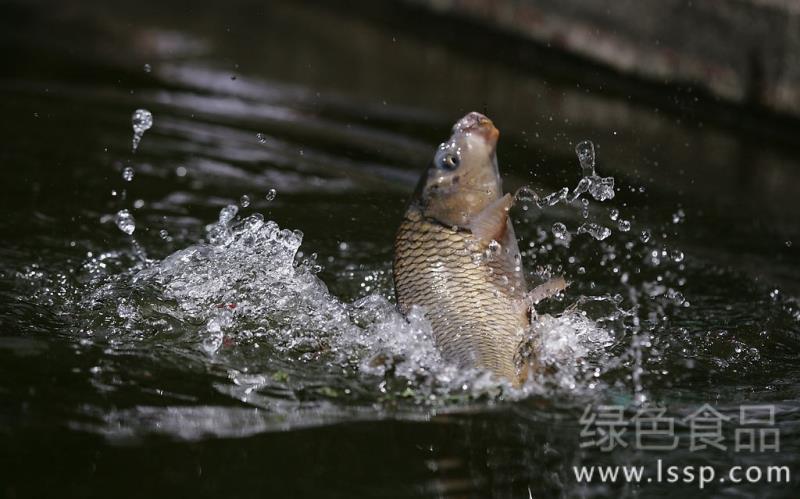
Common carp
1. Select good common carp brood fish. Female fish should be selected that are over 3 years old and weigh 3 to 5 kg; male fish should be selected that are over 2 years old and weigh 1.5 to 2 kg. In the non-breeding season, female and male fish should be raised in separate ponds for daily management, especially to prevent some early-maturing brood fish from spawning early when females and males are kept in the same pond. Feed concentrated feed (such as peanut bran, soybean, corn, etc.) at fixed times, fixed locations, and fixed amounts every day; the general feeding amount is 2%-3% of the brood fish's body weight.
2. Common carp breeding. When the water temperature in the culture pond rises back above 18°C, common carp breeding and incubation can be carried out. The spawning pond and incubation pond must be prepared before common carp pairing. Keep the water quality fresh, then pull a net around the brood fish pond and select and pair the brood fish for breeding. If cold air is still going to move in, do not pull the net. Select female common carp with a swollen, soft, and elastic abdomen for breeding. After pairing at a female-to-male common carp ratio of 1:5, place them in the spawning pond, and set up a square fish nest made of bamboo poles at the water inlet of the spawning pond. The size of the fish nest depends on the number of brood fish, and in the middle of the fish nest place clean, disinfected water hyacinth with well-developed roots. Inject new water every day to stimulate the common carp brood fish to become sexually active and spawn. After spawning is finished, disinfect the water hyacinth with eggs attached to reduce the occurrence of saprolegniasis on the eggs during incubation. After disinfection, transfer the eggs to the prepared incubation pond for incubation. To reduce the trouble of transferring fry between ponds, about 300,000 eggs can be placed per mu.
3. Incubation of common carp eggs and rearing of fry. After the eggs are placed in the incubation pond, if cold air or cloudy and rainy weather occurs, the eggs can be covered with straw or film, or the pond water depth can be increased accordingly. Generally, the fry will hatch in about 7 days, but high or low temperatures will cause them to appear earlier or later. After the common carp fry have the ability to swim, take out the fish nest, but be sure to wash the water hyacinth in the fish nest to prevent fry from being removed along with the fish nest. Fry within 3 to 5 days after hatching can be fed about 2 kg of soybean milk or fermented peanut bran per mu. As the fry grow, the amount of manure water splashed on can also be gradually increased, or fermented chicken and pig manure can be fed to the common carp. Pond dragging with tree branches can be done 1 to 2 times a day to improve the activity of the common carp fry. Every morning, also observe whether any fry in the fish pond show floating head phenomenon; if so, new water should be injected back into the culture pond, or after there is no more floating head, divide the pond to reduce fry density, generally stocking 100,000 to 200,000 common carp fry per mu. Add 10 cm of new water gradually to the pond each week. As the fry grow larger, the pond can be gradually thinned and the common carp fry sold.