Pond trash fish compete for nutrients and cause great harm; six methods to teach you how to clear them
Wild trash fish that breed in large numbers in fish ponds compete with farmed fish for food, consume oxygen, and have no commercial value, affecting the breeding yield and economic benefits of farmed fish in ponds. The following six methods can be used to clear trash fish.
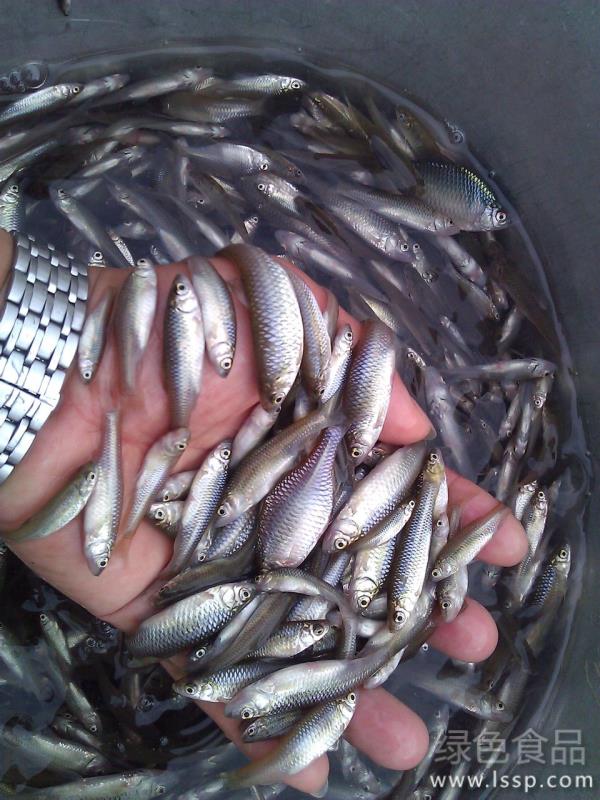
Trash fish
1. Thorough pond clearing.Before stocking fry, drain the pond water and use quicklime, strong chlorine, and other disinfectant drugs to clear the pond, thoroughly killing wild trash fish, snails, aquatic insects, bacteria, parasites, and so on.
2. Water source filtration.Water source filtration can effectively control the number of wild trash fish. Especially for fry and fingerling ponds, the inlet water should generally be filtered with filter mesh made of 2 mm mesh polyethylene or bolting silk material, which can intercept trash fish, fish eggs, aquatic insects, and so on.
3. Sun-drying aquatic plants.When feeding aquatic plants to fish ponds, first sun-dry them for 1—2 hours, or soak them in a 5 mg/L copper sulfate solution for 2 hours, which can kill small trash fish, shrimp, and fish eggs attached to the aquatic plants.
4. Setting fish nests.During the breeding season of farmed fish, set up fish nests in the fish pond with tree roots and aquatic plants to let wild trash fish lay eggs, and promptly remove and take away the fish nests with attached fish eggs. Alternatively, after discovering fish eggs attached to the fish nests, splash strong chlorine, bleaching powder, trichlorfon, and other drugs around the pond in the morning to kill the fish eggs or young fish.
5. Biological clearing.In second-year fingerling ponds or adult fish ponds with more trash fish, fierce carnivorous fish such as snakehead, large-mouth catfish, mandarin fish, Clarias gariepinus, and yellow catfish can be used to clear trash fish and small shrimp. Only ponds that can be drained for harvesting can stock fierce carnivorous fish, because the number of fierce fish must also be controlled so that they do not cause harm. The size of the mixed-cultured fierce fish is about less than one third of the farmed fish, otherwise they will harm the farmed fish.
6. Seine-netting wild trash fish.During the fish growing season, carry out seine-netting. In a short time, the fish are highly concentrated in the net. Because the suffocation point of wild trash fish is lower than that of farmed fish, after most wild trash fish suffocate and die in a short time, release the farmed fish back into the pond.