Self-mixing duck feed methods and the nutritional needs and precautions of ducks at different stages
Feed costs account for 60-80% of the total cost of duck production, which shows the importance of feed in the duck-raising process and the relatively high cost of feed. Therefore, self-mixing duck feed can not only meet the nutritional needs of ducks at different stages, but also reduce the cost of raising ducks. However, self-mixing feed requires duck raisers to understand the role of various nutrients and their exact content in various feeds, and to prepare the best diet according to feeding standards.
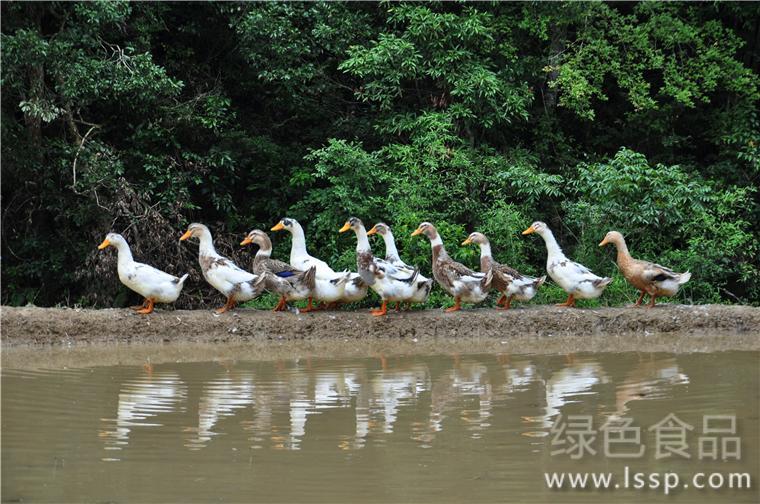
Duck
Principles of duck feed formulation
(1) Feed selection should be adapted to local conditions. Make the most of local duck feed resources, and while considering nutritional value, also pay attention to price in order to reduce costs.
(2) Self-mixed duck feed should be close to feeding standards, so as to avoid excessive or insufficient nutrition in the duck feed, which can cause ducks to develop diseases due to the lack of certain nutrients. When the energy level of duck feed is high, feed intake is low; when the energy level of duck feed is low, feed intake is high. Therefore, the ratio of energy to protein in duck feed must be balanced, otherwise feed consumption will increase.
(3) Pay attention to the quality and palatability of duck feed, and it is forbidden to use moldy raw materials or those containing harmful substances to mix duck feed. Do not mix too much feed each time; it is best if the ducks can finish it within 10 days, so as to keep the feed fresh.
(4) The raw materials required for various feeds must be fully and evenly mixed, especially vitamins, trace elements and drugs, otherwise ducks will have adverse reactions after eating.
(5) Duck feed should be relatively stable; when it must be changed, it is best to have a 1-week transition period. This is especially important when ducks are at the peak egg-laying period.
(6) The crude fiber content in the diet should not exceed 5%, and it is best at around 3%.
(7) The types of self-mixed duck feed should be as many as possible, so that they can complement each other nutritionally and make up for each other's shortcomings.
Duck feed
Problems needing attention in the process of preparing and storing duck feed
(1) Ducks often feed on fresh fish, shrimp and small snails and other mollusks. The thiaminase contained in these mollusks destroys vitamin B1, so ducks are very prone to vitamin B1 deficiency. Vitamin B1 deficiency mostly occurs in 2-week-old ducklings. Therefore, for ducks that can eat aquatic animals, the vitamin B1 content in their diet should be increased, especially in duckling feed.
(2) Vitamin D deficiency often occurs in laying ducks. This is caused by insufficient vitamin D supply in the diet or insufficient sunlight exposure of the poultry. Affected ducks show poor growth and development, ruffled and lusterless feathers, decreased egg production, thin-shelled and soft-shelled eggs, and eggshells that break easily. Therefore, cod liver oil or vitamin D3, A, E, etc. should be added to duck feed.
(3) Ducks lay eggs in the early morning, so the blood calcium concentration of ducks should also remain relatively high in the early morning, otherwise the probability of producing sand-shelled eggs and deformed eggs is relatively high. Therefore, the self-mixed feed should contain both an easily absorbed calcium source and a difficult-to-absorb calcium source. Usually, limestone powder and shell powder are selected as calcium sources.
(4) Both the raw materials and the prepared feed should be placed in a ventilated, light-protected and dry place, otherwise the fat in duck feed will oxidize and vitamin A and vitamin E will be destroyed. To prevent feed from caking and molding, place a layer of moisture-proof material between the feed and the ground. In addition, attention should also be paid to insect pests and rodent damage.