Toxic gases in chicken coops are highly harmful; how can they be effectively removed?
Chicken coops often contain toxic gases such as ammonia, hydrogen sulfide, carbon dioxide, carbon monoxide and methane. On larger chicken farms, these gases not only pollute the coop environment but also make the flock prone to disease or reduce production performance, greatly cutting into the profitability of poultry farming. Here, the editor introduces several methods for removing harmful gases from chicken coops.
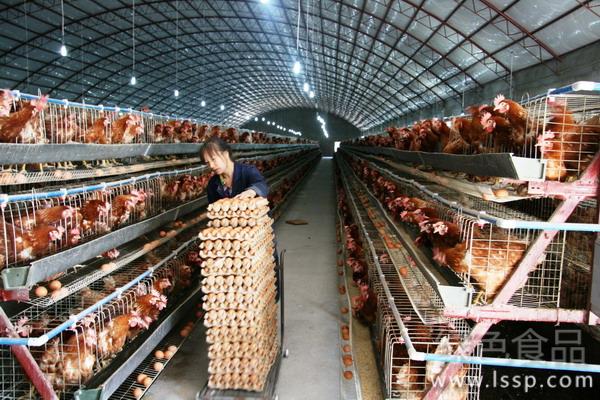
Chicken coop
1 Litter deodorisation method.Mixing sulfur into the litter so that the litter pH is below 7 can inhibit the production and release of ammonia from chicken manure, thereby lowering the ammonia content in the coop air and reducing the ammonia odour. The specific method is to mix 0.5 kg of sulfur per sq m of litter and spread it on the ground.
2 Adsorption method.Use adsorbent substances such as activated carbon, quicklime, charcoal and coal cinders to adsorb the odours in the air. The method is to fill mesh bags with charcoal and hang them inside the coop, or to sprinkle some activated carbon, coal cinders, quicklime, etc. appropriately on the ground; the odours in the air can be eliminated to varying degrees.
3 Biological deodorisation method.Many beneficial microorganisms can improve the utilisation rate of protein in the feed, reduce the amount of ammonia excreted in chicken manure, and lower the content of harmful gases in the air. The method is to mix them into the feed or drinking water according to the microbial instructions, or to spray them in the coop.
4 Chemical deodorisation method.Superphosphate can react with ammonia to produce odourless ammonium phosphate salts, so superphosphate can reduce the release of ammonia from chicken manure and lower the odour in the coop. Specific method: evenly spread 350 g of superphosphate on the ground area used by every 50 chickens. In addition, using odour-suppressing chemicals such as hydrogen peroxide, potassium permanganate, copper sulfate and acetic acid can also reduce the odour in the coop air. The specific method is to mix an appropriate amount of slaked lime and 4% copper sulfate into the litter, or to spray the litter with 2% benzoic acid or 2% acetic acid; either can deodorise the chicken coop.
5 Chinese herbal medicine deodorisation method.Many Chinese herbal medicines such as Isatis indigotica leaf (woad leaf), Artemisia argyi leaf (mugwort leaf), Atractylodes lancea (cangzhu), garlic and straw also have a deodorising effect. Specific method: place appropriate equal portions of the above Chinese medicines inside the coop and burn them; this can both inhibit bacteria and remove odours, and the effect is best when used in an empty coop.