Barbel chub (Squaliobarbus curriculus) requires low input but yields high returns; how to farm it artificially?
The barbel chub (Squaliobarbus curriculus) is one of the high-quality economic fish species. Its flesh is tender, its taste is delicious, and it is rich in nutrients. The barbel chub grows fast, has strong adaptability, is omnivorous, has low farming costs, and commands a high selling price, making it one of the more popular freshwater aquaculture species at present.
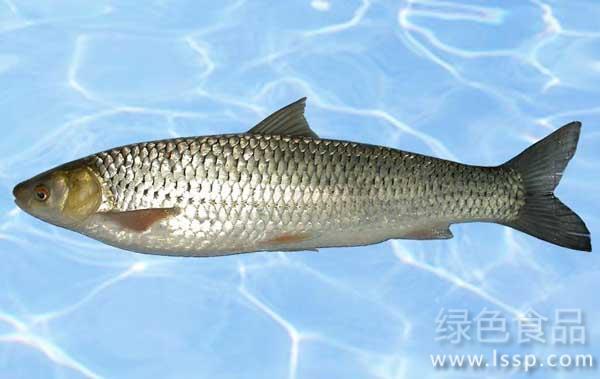
Barbel chub
I. Pond conditions
Ponds for farming barbel chub require an adequate water source and good water quality. There should be no pollution sources nearby, good water retention, convenient water inlet and drainage, a flat pond bottom with little silt, and an area of about 1334-3335 sq m (2-5 mu), with a water depth of 1.2-2.0 m. The pond water should be "fertile, lively, tender and fresh." Pond water transparency should be maintained at around 25-40 cm.
II. Pond disinfection and water filling
Before filling the pond with water, excess silt should be removed, and after the pond is dried and sun-exposed in winter, 100-150 kg of quicklime per mu should be slaked into a slurry for disinfection. After 10-15 days of disinfection, 200-300 kg of fermented and decomposed manure can be applied per 667 sq m as a base fertilizer, then water is let in filtered through 60-mesh silk bolting cloth.
Barbel chub
III. Fingerling stocking
Select healthy, lively, high-quality barbel chub fry. Before the fingerlings are put into the culture pond, they can be soaked in 3%-5% salt water for 5-10 minutes. For ponds mainly culturing market-size fish, stock 800-1200 winter fingerlings per mu, and for mixed-culture ponds, stock 100-200 per mu.
IV. Feeding management
1. Feed feeding.Algae, organic debris, and aquatic and terrestrial grasses can all serve as feed for barbel chub. Barbel chub likes to eat artificial compound feed. In main culture ponds, full-price compound pellet feed is used for feeding. The crude protein content of the feed for barbel chub is roughly about 30%. Fine green algae, aquatic plants, ryegrass, vegetable leaves, and so on can also be used as supplementary feed for barbel chub. The daily feeding amount is 3%-8% of the fish body weight. Generally, feed once in the morning and once in the afternoon. The reasonable feeding amount of feed should also be determined according to the weather, water temperature, water quality, and the feeding situation of the barbel chub. Feeding is more vigorous in June-July and September-October, and slightly slower in midsummer.
2. Water quality regulation.Turn on the aerator for 1-2 hours at noon every day, and whether to turn on the aerator at night is determined according to weather conditions, to prevent the barbel chub from gulping for air at the surface. The pH value of the pond water in the culture pond should be maintained between 7-8.5. In the middle and late stages of culture (especially in high-temperature seasons), new water should be replaced in time to keep the water quality fresh. Transparency should be controlled at 25-40 cm. Every 10-15 days, 10-15 kg of quicklime per mu should be slaked in water and splashed over the whole pond once, making the pond water slightly alkaline, so as to benefit the growth of barbel chub and the prevention and control of fish diseases. Fish farmers with better conditions can, according to the water quality and water temperature of the culture pond, apply microbial preparations such as EM liquid and Xianhe bacteria every 12-15 days to improve water quality.
3. Daily management.During the culture process, persist in frequent observation and frequent pond patrols. Observe changes in water quality, fish activity, feeding, and whether there is any disease, and handle problems promptly when found. Garbage around the fish pond, residual bait on the feeding platform (ground), and floating matter on the pond surface should be cleaned up frequently.
V. Fish disease prevention and control
The barbel chub has strong adaptability in life, and its disease infection rate and mortality rate are relatively low. However, prevention and control should still adhere to the principle of "prevent before disease occurs, treat early when disease occurs, comprehensive prevention, active treatment." In addition to disinfecting the fingerlings before they are put into the pond, fresh grass (feed), feeding sites, and tools should also be disinfected, and during the summer and autumn fish disease epidemic seasons, fish medicines should be used regularly on barbel chub for prevention.