Rabbits Easily Die in Hot Weather: How to Raise Rabbits Safely
When the temperature exceeds 30°C, rabbits show a series of adverse reactions both physiologically and mentally. How can you get rabbits safely through hot weather?
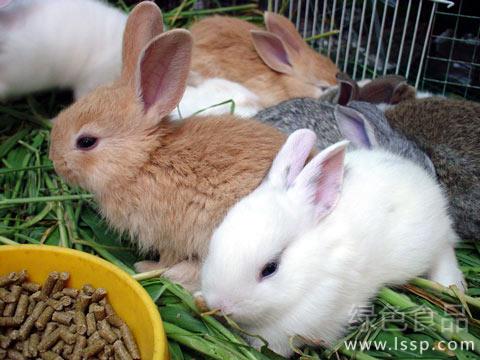
Rabbits
1. Heat prevention and cooling
Raisers can take the following measures according to their own specific circumstances for comprehensive control. Spray cool water artificially to lower the ambient temperature. After 12 noon, cool water just drawn from a well can be sprayed into the air with a high-pressure sprayer; depending on the temperature inside the rabbit hutch, spray once every 2-4 hours, which can reduce the temperature inside the hutch by 4-7°C. When the hutch temperature is too high, splash cool water on the floor of the rabbit hutch, and at the same time open the doors and windows to increase ventilation and convection. Strengthen ventilation and heat dissipation to lower the temperature inside the hutch; the power of the exhaust fan can be increased, and horizontal ventilation can be changed to longitudinal tunnel ventilation to increase air speed and carry away the heat produced by the rabbits, preventing heatstroke and cooling them down. If combined with spraying and splashing water, the effect is even better.
2. Strengthen management
According to feed intake, increase the nutrient concentration of the rabbit diet to meet nutritional needs. At noon the temperature is high and appetite is low, so it is best to add more feed in the morning and evening; during these periods rabbits feel hungrier, the temperature is suitable, and their appetite is good. The amount of green forage fed should be increased, and moldy feed and feed carrying dew are strictly forbidden. Use feed additives to reduce the harm of high temperatures. An appropriate amount of vitamin C, E, K, B2, biotin, zinc bacitracin, etc. can be added to the rabbit diet; adding an appropriate amount of bromide buffer solution, baking soda, Huoxiang Zhengqi liquid, etc. to drinking water can reduce or prevent the harm of high temperatures to rabbits and improve production performance. Feed more cooling feed to raise the level of heat resistance. Feed each rabbit about 50 grams of chopped watermelon rind per day, 3 times a day, fed alone at noon and mixed into the feed in the morning and evening.
Rabbits
3. Control breeding
Under high temperatures, the semen quality of male rabbits declines, with increased azoospermia and dead sperm; pregnant female rabbits are very prone to miscarriage, and the newborn rabbits are weak; moreover, high temperature and high humidity are also unfavorable for the growth of newborn rabbits. Therefore, rabbit mating and breeding should be suspended during the hot season.
4. Prevention and treatment of rabbit diseases
Common rabbit diseases under high temperatures: mucoid enteritis, salmonellosis, Clostridium welchii disease, coccidiosis, mange, heatstroke, etc. Before the hot season arrives, vaccines such as mucoid enteritis and Salmonella aluminum hydroxide formalin vaccine, and Clostridium welchii aluminum hydroxide vaccine can be injected for prevention. In addition, some garlic, oxytetracycline base powder, clopidol tablets or other drugs can be added to the feed. If a rabbit with heatstroke is found, immediately move it to a cool, ventilated place, apply a towel soaked in cold water to the rabbit's head, and prick the tip of the tail to let blood; at the same time, feed it 4-5 pills of Rendan.