Spring is the peak period for restocking piglets, how to do a good job of restocking
Doing a good job of restocking piglets in spring determines the quality and yield of the pigs that year. To do a good job of restocking, the following six points should be noted.
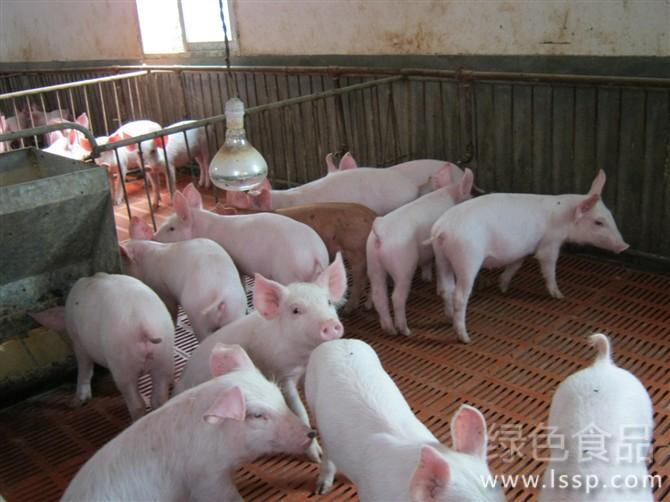
Piglets
1. Select good-breed piglets.Choose piglets with shiny hair and skin, a long back and loin, a broad and deep chest, and a lean-meat type.
2. Disinfect the pens and do a good job of disease prevention.Before the piglets enter the pens, the pens and equipment must be thoroughly disinfected. Before buying piglets, ask whether they have been vaccinated. If the piglets have not been vaccinated, give them the missing shots in time after buying them back, to prevent the occurrence of infectious diseases such as swine fever and foot-and-mouth disease.
3. Understand clearly the disease situation in the piglets' place of origin.Before buying piglets, first investigate whether serious diseases have occurred in the piglets' place of origin. Also check the piglets' mental state, whether symptoms such as coughing, trembling, and lethargy appear, and whether there are any abnormalities in movement and feeding. Only buy after confirming they are healthy. Remember never to buy piglets from epidemic areas.
4. Strengthen feeding management.Cold protection and warmth keeping for piglets must be done well. Spring weather is changeable, so warmth keeping must be in place. Add more bedding to the pens, keep the pens clean, dry, and ventilated, and prevent respiratory diseases in piglets caused by overly foul air in the pens.
5. Prevent piglet diarrhea.Diarrhea is divided into 3 types: yellow diarrhea, red diarrhea, and white diarrhea. To prevent diarrhea, first strengthen feeding management. The sow's feed should be varied and reasonably matched to meet the needs for vitamins, minerals, and trace elements, or inject the sow with E. coli vaccine before farrowing. Keep newborn piglets warm and let them suckle colostrum in time. Keep the pens dry and hygienic, supply enough clean drinking water, and adopt the method of giving small amounts frequently, to prevent piglets from drinking dirty water because of thirst and thereby causing diarrhea.
6. Feeding of piglets after entering the pens should proceed step by step, and comprehensive measures should be taken to prevent the occurrence of diseases.For newly purchased piglets, put them in the pens to move freely and become familiar with the new environment. In the first week, it is best to give the piglets 0.1% potassium permanganate water to drink. When they begin to look for food, first give the piglets an appropriate amount of green, succulent feed, then feed a small amount of complete feed. Generally, it is suitable for the pigs to eat until 70-80% full. After the piglets adapt to the new feeding method, let them eat freely. If farmers feed self-mixed feed, they should add an appropriate amount of feed additives or antibiotic drugs to enhance the piglets' gastrointestinal adaptability, and may also add an appropriate amount of yeast or rhubarb soda tablets to the feed. After about 10 days of feeding, if observation of the pigs' feeding and drinking shows they are normal, the piglets can be vaccinated against swine fever, swine erysipelas, swine pasteurellosis, piglet paratyphoid, and other vaccines. Then, after 10-20 days of isolation and observation of the piglets, if no disease occurs, after deworming and castration, they can be mixed and raised with other pig groups, and the rearing method can slowly be shifted to normal fattening.