How to prevent and treat leucocytozoonosis in chickens in summer
Chicken leucocytozoonosis, also called avian leucocytozoonosis (Leucocytozoon caulleryi infection), presents with anemia, weight loss and a pale comb. The mortality rate of chicks and growing chickens can reach as high as 91%, and after adult chickens are affected, egg production can drop by 30%-50%. Leucocytozoonosis mostly occurs from June to October, when temperatures are high and humidity is high.
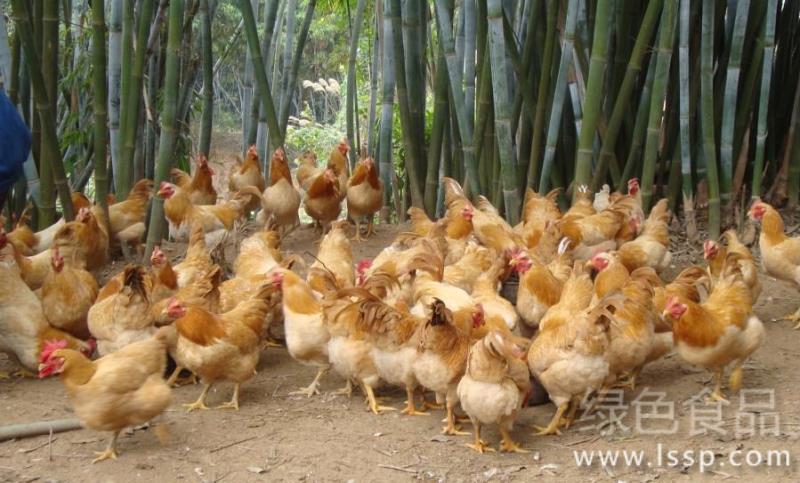
Chicken
1. Causes of the disease
High temperatures and abundant rain greatly favor the mass reproduction of midges, the transmission vector of leucocytozoonosis. Chickens of all ages can be infected with leucocytozoonosis, and adult chickens are more susceptible, but the incidence rate in chicks is higher than in adult chickens. Therefore, without prevention, it can very easily cause a large-scale outbreak of leucocytozoonosis.
2. Clinical symptoms
Symptoms in chicks include elevated body temperature, poor appetite, listlessness, drooling, thin droppings that are yellow-white or yellow-green, stunted growth, ruffled feathers, difficulty walking, breathing difficulty, and coughing up blood. The common features are anemia and a pale comb. Affected chickens are listless, stand still with eyes closed, have ruffled feathers, an unsteady gait, and reduced or completely lost appetite; droppings are thin and yellow-green, often with bloody droppings; the body is anemic and emaciated, and the comb and wattles are pale; most sick chickens have convulsions and spasms before death, and in very few cases there is bleeding from the mouth and nose; in laying hens, egg production declines and the number of thin-shelled and soft-shelled eggs increases.
and leucocytozoonosis
3. Preventive measures
The main measure for preventing leucocytozoonosis is to eliminate the transmission vector, Culicoides midges, and at the same time prevent contact between chickens and vector insects as much as possible. During the season when leucocytozoonosis is prevalent, insecticides should be sprayed inside and outside the chicken house every week; a 0.01% trichlorfon or 0.03% coumaphos solution can be used for spraying. Insecticides such as deltamethrin or valerate-cyanoether can also be used inside and outside the chicken house to eliminate harmful insects such as midges and blackflies, and gauze netting should be nailed over the doors and windows of the chicken house to reduce the chance of the flock being attacked by insects. Drugs such as sulfachloropyrazine sodium can also be added to chicken feed for prevention.
4. Treatment plan
Once chicken leucocytozoonosis is confirmed, treatment should be started immediately. The first choice is sulfachloropyrazine sodium, 1 gram of bulk powder mixed into 2.5 kg of feed, used continuously for 5-7 days; for potentiated sulfadiazine, 25 mg per kg of chicken body weight mixed into feed and fed, with the first dose doubled, used continuously for 3-4 days; for chloroquine, 100 mg per kg of chicken body weight mixed into feed and fed, once a day, for 3 consecutive days, then after a 2-day interval, fed again for 3 days. After using one drug for a period of time on the same chicken farm, another drug should be substituted, or two effective drugs should be used at the same time, which also gives a good control effect. Chloroquine can also be mixed into feed at 200 mg per kg and fed continuously for 3 days, then after a 2-day interval, fed again for 3 days. If chickens with leucocytozoonosis have reduced or completely lost appetite, quinine dihydrochloride can be used, 1 ml per vial (containing 0.25 g of the drug), with 0.25 ml injected into the breast muscle of each chicken, once a day, used continuously for 4-5 days. Drugs such as leucocytozoon red and chicken coccidiosis clear can also be used for treatment.