How to handle high temperatures in pregnant sows? Take five measures to get through summer safely
Summer temperatures are high, pregnant sows lose their appetite, feed intake decreases, body temperature rises, and breathing rate increases, which in turn causes malnutrition, reduced milk production, and even stillbirths. Therefore, doing a good job of feeding and managing pregnant sows in summer is crucial.
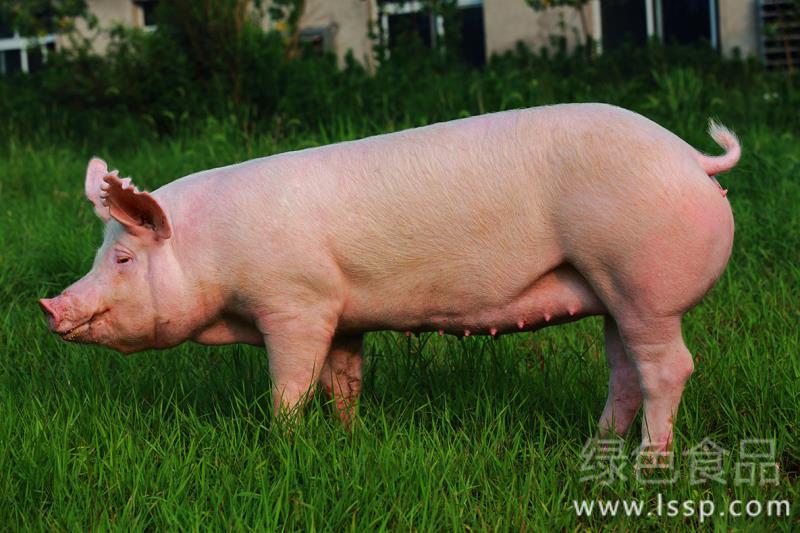
Sows
1. Prevent excessively high barn temperatures.Pig barns for pregnant sows that need to get through summer should be equipped with shading, ventilation and other equipment to prevent heatstroke and other heat-stress diseases. On hot days, cool water can be sprayed inside the barn, but it must not be sprayed directly onto the sows. When the temperature is above 30°C, measures such as installing air conditioners and electric fans can be taken to cool things down quickly and prevent stillbirths.
2. Prevent mechanical miscarriage.Pay attention to the stocking density of pregnant sows. For example, in a 7-9 sq m pig barn, no more than 4 sows in early pregnancy should be kept, and no more than 2 sows in late pregnancy; raising them in separate pens is best, which can avoid the strong bullying the weak and uneven feed intake that lead to uneven fetal growth, and can also avoid sows biting and colliding with each other due to irritability from high temperatures, which can cause stillbirths or miscarriage. If there is grassland nearby, often drive the sows out to move around to strengthen their health; at farrowing time, this can shorten the farrowing time.
3. Prevent disease transmission.Sows pregnant in summer are prone to mange and lice, and special attention should be paid to the inside of the ear flaps; if found, treat promptly and eradicate completely. For sows in late pregnancy, the feed amount should be reduced 3 days before farrowing, and after farrowing the sows can simply be fed some thin wheat bran porridge. Before moving to the farrowing house, the whole body of the sow should be washed and disinfected with a 2% potassium permanganate solution, and then dried. At the same time, the farrowing house should also be cleaned and disinfected.
4. Prevent mosquito and fly bites.When sows are attacked by mosquitoes, flies, venomous insects and the like, it not only affects their rest and is bad for fetal growth, but can also spread diseases. Therefore, in early summer the pig barns housing pregnant sows should be fitted with mesh screens as early as possible to keep out mosquitoes. During peak mosquito periods, feed the sows vitamin B1 once every 3 days, 30-40 mg each time. Tomato leaves and mint leaves can also be mashed and their juice extracted and applied to the sows' bodies, which has a good mosquito-repelling effect.
5. Prevent environmental pollution.Remove manure in a timely manner, and use disinfectants such as Baidusha or sodium hypochlorite for regular disinfection; quicklime or caustic soda must not be used to disinfect sows. Add wet mixed feed and try to avoid leftovers; clear away leftovers promptly to prevent fermentation and mold. The feed trough should be cleaned and dried in the sun every day.