How to Prevent Sheep from Losing Weight When High Summer Temperatures Reduce Their Appetite
In high summer temperatures, sheep's appetites also worsen, and sheep that cannot eat enough feed ultimately lose weight, which affects the economic returns of sheep farming. So how can goats be prevented from losing weight during the hot summer?
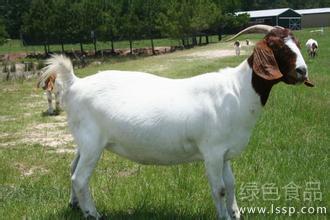
Sheep
I. Increase Nutrition
(1) Feed high-quality forage. Choose forage with good palatability and high nutrition, such as green soybean stalks, alfalfa (Medicago sativa), and so on. Newly weaned lambs and pregnant ewes need particular attention. (2) Supplement with concentrate. For adult sheep, supplement about 200 g of concentrate per day; for newly weaned lambs, supplement about 100 g of concentrate per day. In every 100 g of concentrate, cake-type feed should account for 25%. If cottonseed cake or rapeseed cake is added, it must first undergo detoxification treatment: first soak in water for 24 hours, then rinse with clean water. (3) Supplement with salt. Add 0.2 g per kg of sheep body weight to maintain the acid-base balance in the sheep's body. (4) Increase water intake. In hot seasons, keep the water trough filled so the sheep can drink freely.
II. Appropriate Management
(1) Sheep shed management. In summer, do a good job of heat prevention and cooling in the sheep shed. At the bottom of the north and south walls of the sheep shed, open air convection windows; set up a sunshade on the sunny side; if the roof is made of flat tiles, it can be painted with white lime or covered with shading material. In addition, screen doors and screen windows to prevent flies and mosquitoes should also be installed. (2) Graze in the early morning and evening. Let the sheep out early and bring them back late; before 9 a.m., the sheep return to the pen to rest, and after 5 p.m., they go out to graze again. (3) Supplementary feeding at night. The feed supplemented at around 10 p.m. should be sufficient not only in quantity but also in quality. (4) Set up feed troughs. Whether using flat rearing or elevated rearing, in order to satisfy the sheep's intake of forage as much as possible and prevent waste, feed troughs must be provided. (5) Combine dry and fresh forage. If sheep overeat forage with high moisture content, they are prone to diarrhea and bloating, so barn feeding should combine dry and fresh forage. For dry forage, choose green hay, sweet potato vines, and peanut vines as the best options. When feeding, feed dry forage first, then fresh grass.
III. Disease Prevention and Control
(1) Regular deworming. Inject 0.02 mL of avermectin per kg of sheep body weight at the beginning of summer to expel parasites. (2) Prevent and treat diarrhea. When sheep have diarrhea, let them orally take 2 vials of 80,000-unit gentamicin on an empty stomach in the morning, and continue for 2 days. (3) Vaccination. Sheep that have not been injected with W vaccine or sheep pox vaccine must be given supplementary vaccinations.