Scaleless fish lack scales and are prone to skin ulcer disease; how can it be prevented and treated?
Scaleless fish mainly refer to catfish species, such as the large-mouth catfish, the African sharptooth catfish, the Chinese catfish, the channel catfish, and the brown bullhead. From April to October each year, scaleless fish are prone to skin ulcer disease, which is caused by infection with the stubborn bacterium Cytophaga columnaris. Symptoms of diseased fish: in the early stage of the disease, grayish-white rotting patches or slight congestion appear on the top of the head and both sides of the body, and the body surface loses its luster and mucus. As the disease worsens, the skin at the lesion site ulcerates, exposing the muscle. Diseased fish often leave the group and swim slowly at the water surface until death.
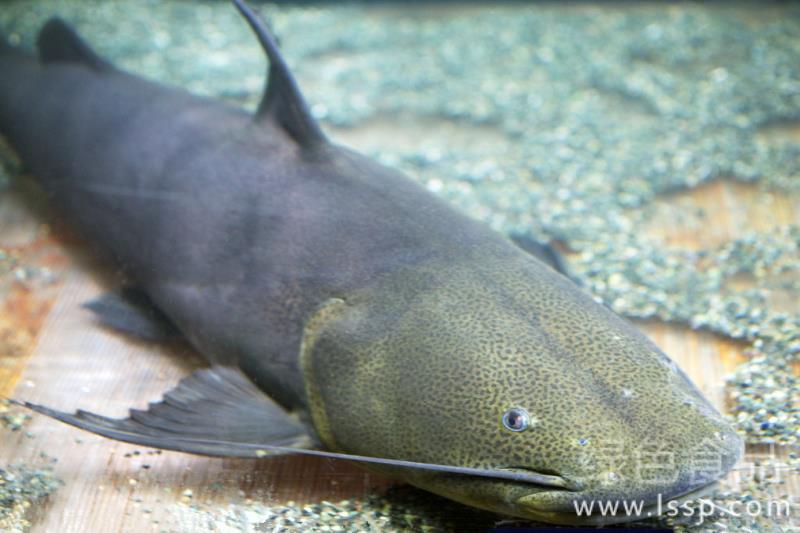
Scaleless fish
Prevention and treatment can be carried out from several aspects:
1. Strengthen feeding management:
(1) Water quality management. Since general aquaculture water bodies contain relatively many bacteria and some harmful microorganisms, and the levels of ammonia nitrogen and nitrite in the water are relatively high, the fish are in a poor environment and in a sub-healthy state. Once some adverse factors appear, bacteria and other harmful microorganisms take the opportunity to invade, and the fish may break out with disease. Therefore, farmers must strengthen the regulation and management of water quality. Generally, quicklime is used once every 10-15 days to regulate the water quality of the fish pond. Quicklime dosage: calculated at 1 m water depth, 15-20 kg per mu.
(2) Prevent mechanical damage or abrasions to the fish body. Note that when feeding, several more feeding tables should be set up. If feeding is too concentrated, the fish will rub against each other while competing for food and become infected with bacteria. If they are not disinfected and healed in time, skin ulcer disease may be induced.
2. Feed prevention:
Regularly feed Chinese herbal medicine additives, compound multivitamins, and antibiotic drugs.
3. Treatment plan for diseased fish:
External use: splash quaternary ammonium salt complexed iodine over the whole pond; oral administration: mix compound multivitamins, sulfonamides, Sanhuang powder, etc. with high-quality feed and feed to the fish.