The hare is a treasure from head to toe, so how do you raise them artificially?
The hare is a herbivorous, grain-saving small domestic animal. Its staple foods are wild grasses, tree leaves, sweet potato vines and the like. These feed sources are widely available and low in price, so the breeding cost is low. Hares have strong disease resistance, an extremely high survival rate and strong reproductive capacity. A doe gives birth to 6~8 litters a year, with 7~8 young per litter. After 3 months of rearing, they can be sold on the market, yielding considerable returns.
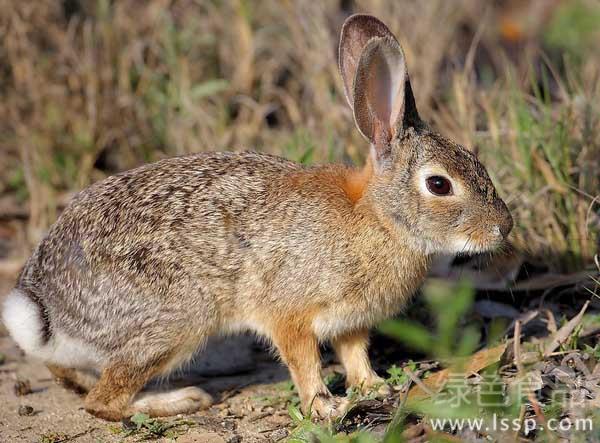
Hare
Diversify the feed,and match it reasonably. Legume, grass-family and aster-family plants should be used more, with green feed as the main part, plus about one or two qian of concentrated feed each day. According to the nutritional composition, make up for each other's deficiencies to meet the nutrients needed for the hare's growth and development. Never use a single kind of feed. At the same time, you can plant ryegrass, radish and other green feeds to store up winter feed.
Fixed times and fixed amounts.The number of feedings, the times and the amounts must be consistent, so as to form an eating habit. Do not let them go hungry or overeat, to avoid digestive tract diseases in hares.
Pay attention to hygiene, and prevent rot and mold. Sweep the rabbit hutches every day, remove rabbit droppings daily, scrub the feeding utensils, change the bedding straw frequently, disinfect regularly, and keep the rabbit house clean and dry. Pay attention to feed quality; do not feed moldy, rotten or toxic feed, and the drinking water must be clean.
Manage by groups and strengthen exercise.Group the hares by age, sex and production mode. If conditions permit, often let the hares exercise to maintain their wild nature.
Rearing and management of young rabbits.Young rabbits are characterized by incomplete development but rapid growth, poor regulatory function, weak adaptability and low resistance. For this reason, the rearing and management of young hares can be divided into two stages: the sleeping period and the eye-opening period. During the sleeping period, besides getting enough milk, the young rabbits must be protected from cold and kept warm, protected from mosquitoes, protected from rats, protected from disease and protected from suffocation, and at the same time cleanliness and hygiene must be done well. The eye-opening period is mainly about supplementary feeding and weaning. Feed the young rabbits a small amount of feed that is nutrient-rich, easy to digest and good in palatability, mixed with a small amount of minerals and antibiotics, feeding 5~6 times a day, small amounts but many meals, gradually increasing, until weaning. At 15 days of age, separate the young from the mother into separate cages, nursing once every 12 hours. Change the bedding straw often, and the nest box should also be replaced, washed or. After each feeding, the mother rabbit takes them to the exercise yard for appropriate exercise. Regularly check the health condition of the hares.
Sanitation and epidemic prevention.In seasons with a high incidence of disease, pay attention to moisture prevention and disease prevention. Check the hares every day, and do a good job of cleaning, disinfecting and sterilizing the rabbit house and rabbit hutches. It is best to sweep the rabbit hutches once a day and disinfect once every 7 days. It is best to use a flame sterilizer regularly, which can both disinfect and remove dampness. On rainy days, quicklime can be scattered on the ground or plant ash spread to disinfect, sterilize and prevent moisture. In addition, observe frequently, promptly isolate and treat sick rabbits, and strictly disinfect the cages and utensils.