High fever in cattle easily leads to complications: master the nursing methods for sick cattle
When cattle have a fever, both the function of the organs of each system and metabolism are disrupted, nutrient consumption increases, digestive function weakens, the animal's body becomes emaciated, and complications may result. Therefore, for cattle with a high fever, in addition to calling a veterinarian for treatment, the following measures should be taken:
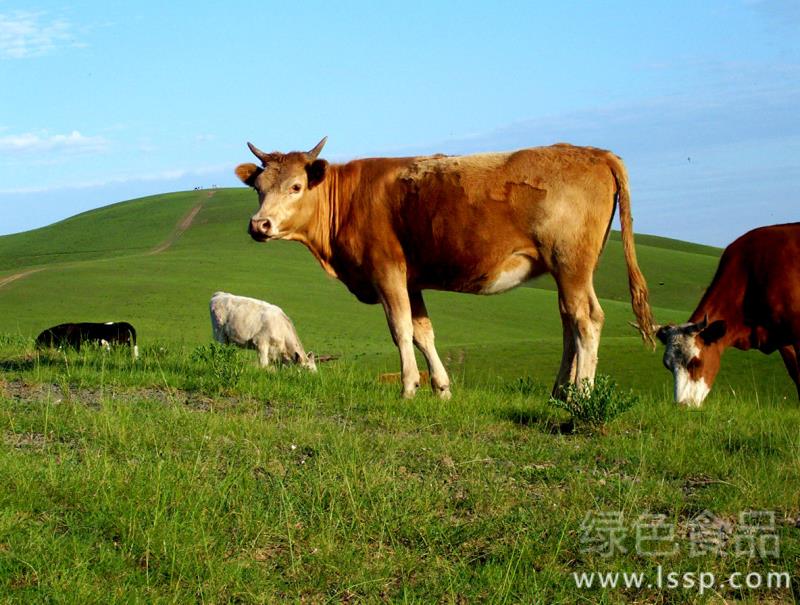
Cattle
I. More rest.Let the sick cattle rest more, reduce muscle activity, and reduce consumption and heat production.
II. More drinking water.After a sick cow develops a fever, it consumes many nutrients, has a dry mouth and tongue, and its appetite decreases, even to the point of refusing food. Therefore, the sick cow should be given more water to replenish body fluids.
III. More ventilation.Cattle fear heat. When summer temperatures are high, open the doors and windows for ventilation to speed up air convection, which helps the cow's body release heat and lowers the cow's body temperature.
IV. More cold compresses.When a sick cow's body temperature is too high, in addition to medication, cold water or ice water can be used to apply cold compresses to the head; combining this with brushing the cow's body gives even better results. Replace the cold water about once every 5 minutes.
V. More feed.After a sick cow with a high fever eats less, feed more palatable, easily digestible, nutritious salty feed, and feed more green fodder, to meet the sick cow's nutritional needs and strengthen its disease resistance.
VI. More care and observation.For cattle with a high fever, nursing should be strengthened, with a dedicated person to watch over them, especially severely ill cattle. Take the temperature once each morning and once each afternoon to track changes in the sick cow's body temperature, and keep a medical record. Sick cattle often sweat heavily after their fever subsides; at this time, use a clean towel to dry them promptly. At the same time, pay attention to observation to prevent collapse and a sudden drop in body temperature in the sick cow.