How can grass carp fingerlings be scientifically cultivated to reduce costs and increase benefits?
Although grass carp fingerling cultivation models are common, they also have problems. From practical experience, prevention is more important than treatment, with prevention as the priority. During grass carp fingerling cultivation, attention must be paid to daily management and the “three critical stages” must be well controlled.
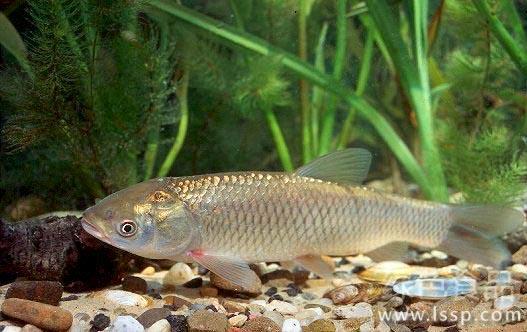
Grass carp fingerlings
1. The water quality regulation stage.Pond water should be “fertile, lively, tender and refreshing.” Every 15-20 days, splash quicklime at 20 ppm over the whole pond to regulate water quality; in the middle and late stages of farming (after mid-August), regularly apply microbial preparations that can degrade ammonia nitrogen and nitrite in the water (use them at different times from disinfectants); regularly add fresh water to regulate and supplement the biological composition in the water body and promote material cycling in the water body.
2. The feed feeding stage.After grass carp fingerlings reach 6 cm, their feeding habits change and they become mainly herbivorous. If conditions permit, duckweed should be fed. Before formal feeding, train the grass carp fingerlings to come to the water surface to compete for food, choose standard fish feed, and feed at fixed points, fixed times, fixed amounts and with fixed quality. Feed small amounts more frequently; feed protein should be high in the early stage, and about 22% protein in the later stage is sufficient. Generally, feeding amounts should be larger in early June to early July and from mid-October to November, while feeding amounts should be controlled in the middle period. Maintain body condition in the early stage to increase the survival rate, and promote growth in the later stage, achieving “grasp both ends and protect the middle.” Do not blindly pursue early-stage size, which can cause disease in grass carp later.
3. The disease prevention stage.During grass carp fingerling cultivation, the disease incidence rate is high, and disease prevention is key. In addition to regular use of disinfectants, internal medicines also need to be added to grass carp during periods of high disease incidence. Avoid frequent medication and avoid applying medicine that does not match the disease. In the later stage, grass carp fingerlings are prone to outbreaks of gill rot, hemorrhage and hepatobiliary syndrome, which must be carefully diagnosed and treated according to the disease. These three diseases easily occur together, and once they occur, they are very difficult to cure. According to the patterns of disease occurrence, during disease seasons, add internal medicines to grass carp for prevention. For gill rot, orally administer enrofloxacin and Kangning, supplemented by mild quaternary ammonium salt iodine for water disinfection; avoid strongly irritant disinfectants and bactericides. If parasites are present, deworm first; if there are no parasites, do not frequently use insecticides, which can cause water quality deterioration. For grass carp hemorrhagic disease, orally administer Xidumine. For hepatobiliary syndrome, add liver-protecting drugs, supplemented by Yingjining and Vc, VE to enhance the anti-stress ability of the grass carp body and improve disease resistance. Grass carp fingerling farming should follow the basic ecological characteristics of this fish, emphasize management, and scientifically and reasonably increase or decrease feeding amounts, and high yields will certainly be achieved.