Sheep Are Prone to Acidosis When Eating Too Much Concentrate Feed: How to Prevent and Treat Acidosis in Sheep
Sheep mainly eat roughage. Although concentrate feed can help them put on fat, it is only a supplementary feed. If they eat too much concentrate feed (corn, barley, rice grain, wheat bran, etc.), it will cause rumen acidosis in sheep. The disease comes on quickly, and in acute cases the sheep often die within 3 to 5 hours after onset. Before death, the affected sheep opens its mouth and sticks out its tongue, shakes its head and kicks its legs, bleats loudly, and fluid containing blood and foam flows from its mouth. In affected sheep with a slower disease course, there is excitement and head shaking at the beginning; later the sheep becomes depressed, completely loses appetite, has dull eyes, shows severe dehydration symptoms, and is accompanied by diarrhea.
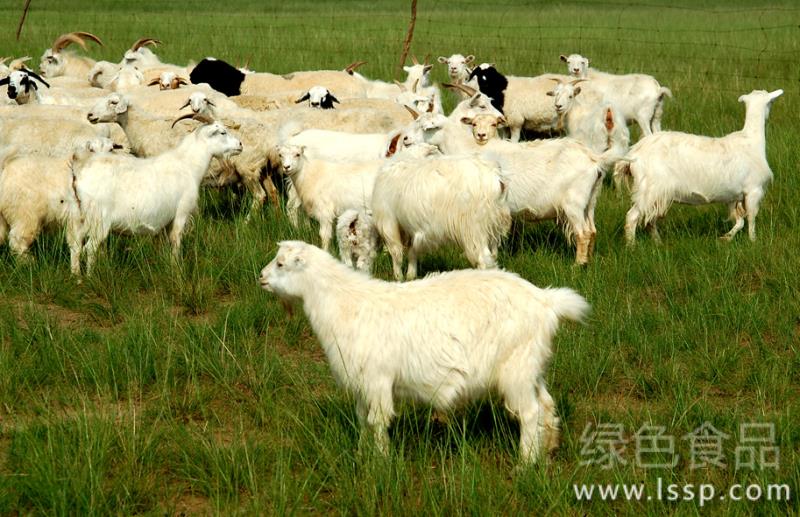
Sheep
The most effective way to prevent acidosis in sheep is to limit the amount of concentrate feed. For sheep that urgently need supplementary concentrate feeding, mix sodium bicarbonate equal to 2% of the total concentrate amount into the daily ration. For sheep that already have acidosis, the following treatment measures can be taken:
1. Give the sheep an intravenous injection of normal saline or 5% glucose sodium chloride 250 to 500 ml to increase blood volume.
2. Give the sheep an intravenous injection of 10 to 20 ml of 5% sodium bicarbonate solution to relieve acidosis.
3. Give the sick sheep an intramuscular injection of penicillin G sodium (potassium) 400,000 to 800,000 units to prevent secondary infection in the sick sheep.
4. When the sick sheep shows symptoms such as excitement and head shaking, an intravenous drip of 20% mannitol or 25% sorbitol 25 to 30 ml can be given.
5. When the sick sheep's symptoms ease but it still cannot stand up, an intravenous injection of 10 to 20 ml of calcium gluconate solution can be given to supplement the sheep's blood calcium concentration, strengthen heart contraction, and enhance resistance.