How to prevent and treat chicken rhinitis affecting production performance
Chicken rhinitis is a common and frequently occurring disease that has troubled the poultry industry in our region in recent years. It has a long course and is not easy to cure, severely affecting the production performance of chickens. The main symptoms are a thin or thick nasal discharge, sneezing, coughing or rales in the trachea, and in severe cases swelling around the eye sockets. Infectious rhinitis of chickens is an acute respiratory disease of chickens caused by Haemophilus gallinarum. The disease spreads rapidly, and the incidence rate in non-immune flocks can be over 70%, sometimes even reaching 100%. The course is relatively long, often bringing serious economic losses to the poultry industry.
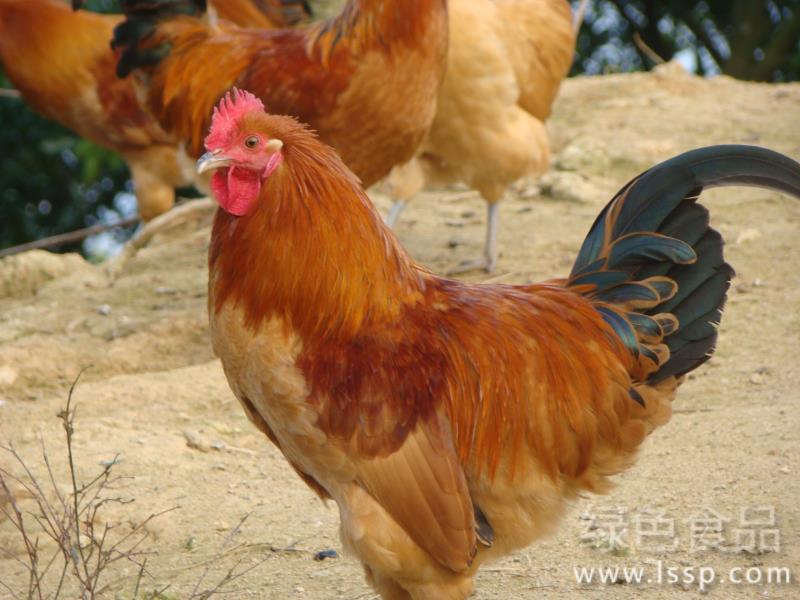
Chicken
Prevention:
1. Isolate and treat sick chickens, and disinfect the chicken house, floor and equipment with 0.3% peracetic acid.
2. Strengthen feeding management, do a good job of cold protection and warmth keeping in the chicken house, reasonably adjust the stocking density, feed a complete compound feed, and ensure the supply of vitamins and trace elements to enhance the disease resistance of the chickens.
3. When chicks reach 40 days of age, inject each one intramuscularly with 0.3 ml of rhinitis oil emulsion inactivated vaccine, and before laying, inject each one intramuscularly with another 0.5 ml, which can ensure that rhinitis does not occur or does not develop throughout the entire laying period.
Prevention and treatment measures:
1. Sulfadimidine, mix into the feed at a ratio of 0.2% and feed, for 3-4 consecutive days.
2. Streptomycin, inject each chicken intramuscularly with 100-200 mg, once a day, for 3 consecutive days.
3. Oxytetracycline, mix into the feed at a ratio of 0.2%, and feed for 3-4 consecutive days.
4. During treatment, combining with surgical treatment gives better results. For example, when sick chickens show only rhinitis and eye inflammation, the affected areas can be washed with 2% boric acid water; if there is bean curd residue-like coagulated material accumulated in the sinus cavity, it should be cut open with a surgical blade, all the coagulated material removed with tweezers, and after washing with boric acid water, penicillin eye drops should be instilled.