How to manage free-range Chai chickens that eat little and lay few eggs in summer
In hot summer weather, when the temperature exceeds 32°C, the feed intake of chickens drops noticeably, and insufficient nutrient intake leads to a lower laying rate and reduced egg quality. Sustained high temperatures can also easily cause exhaustion in chickens and lead to death, so the following key points should be noted in summer management of Chai chickens.
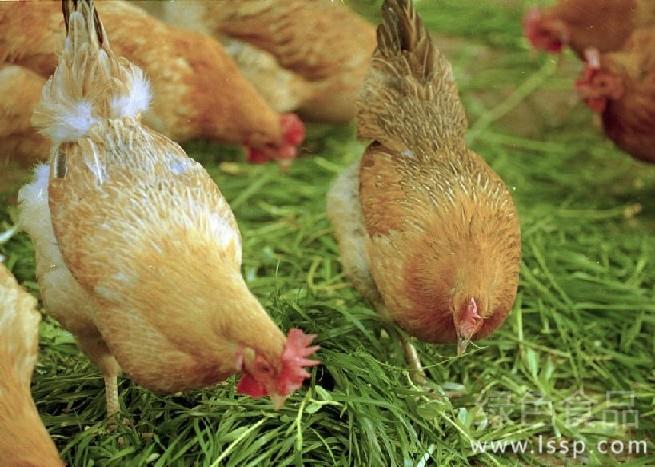
Chai chicken
1. Appropriately increase the protein and energy content of the diet.The diet should still meet the nutritional needs of hens whose feed intake has decreased. Feeding early in the morning and late in the evening should be adopted, as this can appropriately increase the feed intake of the chickens; only with sufficient nutrition can Chai chickens achieve high laying performance. Water must not be lacking in summer, and the drinking water for Chai chickens must be kept adequate and clean. If high temperatures persist, adding 0.1% vitamin C or 0.63% sodium bicarbonate to the drinking water can alleviate heat stress in the chickens, and appropriately increasing the amount of electrolytic multivitamins can reduce mortality. In summer, supply water at fixed times each day, keep the drinking water clean, and it is best to scrub the water troughs once each in the morning and afternoon.
2. Environmental hygiene and disinfection.Persist in removing the accumulated chicken manure from the coop every day to reduce heat produced by fermentation of the manure inside the coop, and strengthen fly and rodent control to reduce opportunities for the spread of pathogens. Carry out spray disinfection with the chickens present once every three days. For free-range chickens, it is best to range them among trees, and a sunshade net can be used to build a cool shed on the sunny side of the coop and at the chickens' resting place. Planting some tall trees such as plane trees creates a cool microclimate, and planting some vines outside the coop to climb over the roof provides shade and cooling, reducing the solar radiant heat entering the coop.
3 . Deworming.Because Chai chickens frequently come into contact with the ground during free-range rearing, they are prone to infection by parasites such as coccidia and roundworms. During the chick and grower stages, attention should be paid to deworming against coccidia, and toltrazuril powder and diclazuril can be used alternately. For roundworm deworming, albendazole can be mixed into the feed.
4. Do a good job of immunization.The main ones are Newcastle disease, avian influenza, infectious bursal disease, and fowl pox, and immunization should be carried out well according to the local immunization program.