Chickens eat less in summer heat? Feed chickens scientifically to increase feed intake
In summer heat, chickens eat less, nutrition is insufficient, and egg production drops accordingly. How can you feed chickens scientifically to increase their feed intake?
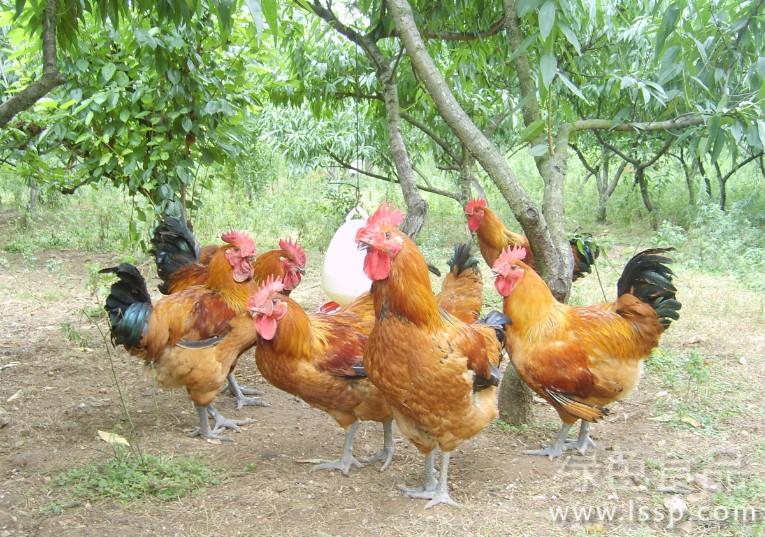
Chicken
First, do not mix the feed with water into a thin porridge to feed chickens. Thin feed easily dilutes digestive juices and lowers the activity of various digestive enzymes, which causes incomplete feed digestion, poor nutrient absorption, and can even cause indigestion, greatly reducing feed utilization. And if thin feed is used without increasing the number of feedings, the chickens' nutritional needs cannot be met, and weight gain will also be affected. Feeding chickens thin feed also easily deposits fat, and subcutaneous fat that is too thick is hard to cater to consumer preferences.
Second, try to use free-access drinkers, or plastic drinkers with covers. If plastic drinkers with covers are used, it is best to hang them up, at a height where the chickens can drink the water, ensuring the chickens have plenty of clean drinking water. Never use rubber basins to hold water, because the wide-mouth design makes it very easy for dust and pathogens to contaminate the water source.
Third, in hot weather you can feed in the morning and in the cool of the evening, which can increase the chickens' feed intake. At noon, wet feed can be used, with a feed-to-water ratio of 1:0.5-2, mixed to the degree that it can be squeezed into a ball by hand and breaks apart when the hand is opened, which is better. Generally, feeding dry feed in the morning and wet feed at noon can stimulate chickens to eat more. Combining dry and wet feed allows chickens to eat their fill, secrete more digestive juices, and digest and absorb feed well.
Fourth, during high temperatures you can add some glucose and vitamin C to the drinking water. This can both increase the energy lacking due to insufficient feed intake and strengthen the chickens' constitution and stress resistance, and it also has a certain auxiliary therapeutic effect on high fever.
Fifth, the chickens' feed troughs, water tanks and water troughs should be washed frequently, and the water changed frequently, to avoid bacterial growth.