Summer Free-Range Chicken Flock Techniques: Coping with Adverse Weather and Natural Enemies
Summer is often hot and humid, with frequent adverse weather, diseases and natural enemies, causing considerable losses to free-range chickens. The problems that are likely to occur and the countermeasures are summarized below for the reference of farming friends:
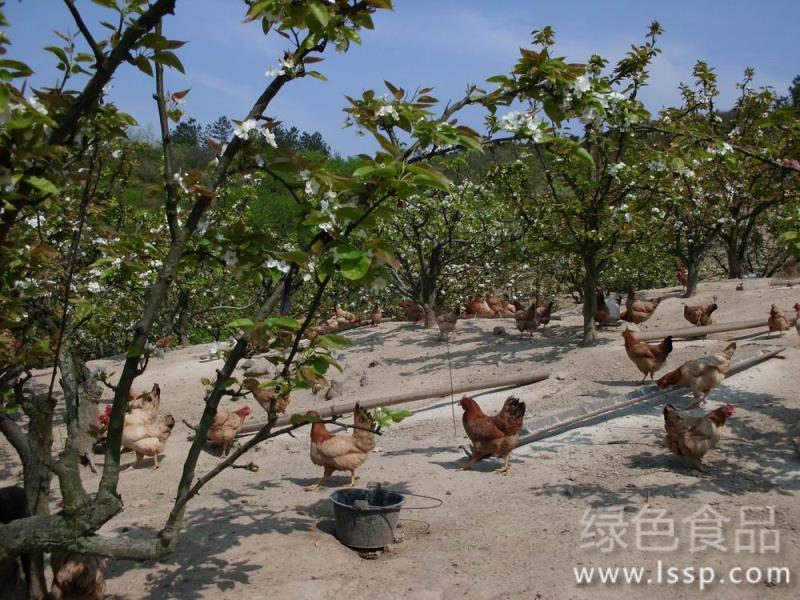
Chicken
I. Problems That Are Likely to Occur
1. Heat stress, heatstroke and death in the flock caused by hot weather, excessive flock density in simple chicken houses, poor ventilation and crowding of the chickens.
2. Sudden thunderstorms, where strong stress combined with the combined effects of dampness, heat and other factors leads to chicken deaths.
3. Insufficient or untimely drinking water supply, causing disorders in the chickens' normal metabolism and the onset of disease.
4. Intrusion and injury by natural enemies such as rats, snakes, eagles, wild beasts and lice.
5. Long periods of rain and dampness, with pathogenic microorganisms and parasites multiplying and breeding, triggering infectious diseases, parasitic diseases and so on.
6. Long-term drought, with various foods such as insects decreasing; if supplementary feeding is not increased in time, or the nutritional composition of the supplementary feed is incomplete, the chickens' growth and development stagnate and disease resistance decreases, and so on.
Free-range chickens
II. Key Technical Points
1. Before early summer, promptly sort out the flock. Sell roosters that have reached market standards in time, and promptly cull weak and diseased laying hens to reduce density. Keep the flock density inside the chicken shed at 8-10 birds per sq m.
2. Repair and tidy the sheds, including reinforcing the sheds, repairing drainage ditches, filling in low-lying spots on the chicken house floor, and patching holes in the shed roof, so as to provide the flock with a dry, well-ventilated roosting environment.
3. Pay attention to weather changes. Before sudden weather changes, especially the arrival of thunderstorms, drive the chickens back into the shed to prevent them from catching cold from wet feathers. If rainy weather occurs, free-range release should be stopped, and the chickens should be kept inside the chicken house with sufficient feed, preferably complete compound feed.
4. On sunny summer days, the chicken house temperature is high at noon, so it is best not to drive the chickens back into the house to rest, but instead take them to a place with dense vegetation, good air flow and open terrain to rest quietly for 3-4 hours; a drinker should be placed at the resting place to provide clean, sufficient drinking water and meet the chickens' drinking needs. To reduce the side effects of stress on the chickens, multivitamins can be added to the drinking water.
5. Adjust the release and feeding time: start releasing and feeding at 5:30 in the morning; from 11:30 am to 3:30 pm, drive the chickens to a shady, ventilated place to rest; at 6:30 pm, drive the flock back but do not let them enter the chicken shed; on the ground near the chicken shed, turn on insect-attracting lamps and let the chickens fully enjoy delicacies such as various mosquitoes and insects. At around 10:00 pm, let the chickens enter the shed, turn off the lights and rest.
6. When the chickens are out foraging, strengthen patrolling and drive away eagles, venomous snakes, rats, weasels and so on to ensure the safety of the flock.
7. After each rain, promptly drain the sewage from sewage pits on the free-range site and fill in the sewage pits, so as to prevent the chickens from drinking sewage and becoming ill.
8. Strengthen disease control, and regularly give the flock anticoccidial and antibacterial drugs. Before free-range release, vaccinate the chickens with Newcastle disease strain I vaccine and fowl pox vaccine. The shed floor and surrounding environment need to be disinfected regularly; when there are many clear days, disinfect once every 15-20 days, and when there are many rainy days, disinfect once a week. Chickens have the habit of dust bathing, so a dust bath pit needs to be provided; fenthion, coumaphos and other drugs can be mixed into the sand, adding the drug once every 7-10 days, or replacing the sand once. For each rotation, only one of the above drugs needs to be used, so that when the chickens dust bathe, the drug adheres to their feathers and skin to prevent and control external parasites such as chicken lice, mites and ticks.