Pregnant ewes' nutritional needs change, and feeding methods differ at different stages
Pregnant ewes have different nutritional needs at different stages, so they should be fed reasonably according to each stage:
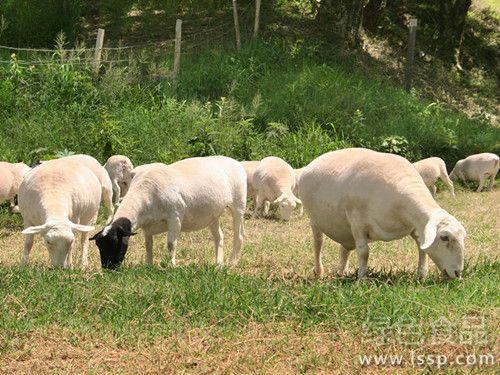
Sheep
1. The 1st month of pregnancy is a critical period for the growth and development of the sheep embryo. After the ewe has grazed and eaten its fill, it should still be given an appropriate supplement of concentrate feed according to the ewe's nutritional condition.
2. In the 2nd month of pregnancy, gradually increase the amount of concentrate supplement fed to the ewe. The concentrate consists of 40% soybean, 30% corn, 20% barley and 10% wheat, soaked in warm water for 6-8 hours, ground into a slurry, and mixed with soybean cake, bran and salt accounting for 10%-15%, 5%-8% and 1% of the total amount of feed such as soybean respectively. Feed 2-3 times a day, 50-100 grams per ewe each time; for young ewes, appropriately increase the feeding amount.
3. In the 3rd month of pregnancy, appropriately control the total volume of forage fed to the ewe. When supplementing forage and concentrate, feed less but more often, to prevent feeding too much at one time from pressing on the sheep embryo.
4. In the 4th month of pregnancy, the amount of concentrate fed should reach twice that of the early pregnancy period, and more tender forage, carrots and other feed should be given. Do not feed potatoes, distillers' grains, or undetoxified cottonseed cake and rapeseed cake. Do not feed moldy and spoiled feed, feed that is too cold or too hot, or feed that is too acidic, so as to avoid miscarriage, difficult birth and postpartum diseases in ewes.
5. One month before lambing, appropriately control the amount of roughage fed to the ewe. As far as possible, feed the sheep soft, green and succulent feed, and increase the amount of bran in the concentrate to help move the bowels and relieve constipation.
6. Ten days before lambing, reduce the feed amount according to the ewe's digestion and appetite. Two to three days before lambing, when the ewe's udder becomes distended and there is edema under the abdomen, reduce the feed amount by one-half to one-third, to prevent too much milk or milk that is too thick at the beginning of lambing, which can cause mastitis, milk let-down and lamb diarrhea. For thin and weak ewes, one week before lambing, when the udder is shrunken, in addition to reducing the amount of roughage, appropriately increase protein-rich milk-promoting feed such as hemp cake, soybean cake, soybean milk and soybean residue, as well as green and succulent laxative feed, to prevent the ewe from lacking milk after lambing.