Prevention and Control Methods for Decreased Egg Production in Laying Hens Caused by Heat Stress
High summer temperatures can cause a serious decline in weight gain and egg production in laying hens, and can even lead to death. How to overcome the troubles that high temperatures bring to laying hens, minimize the harm of high temperatures to laying hens, and ensure normal egg production is an important problem that poultry producers need to solve.
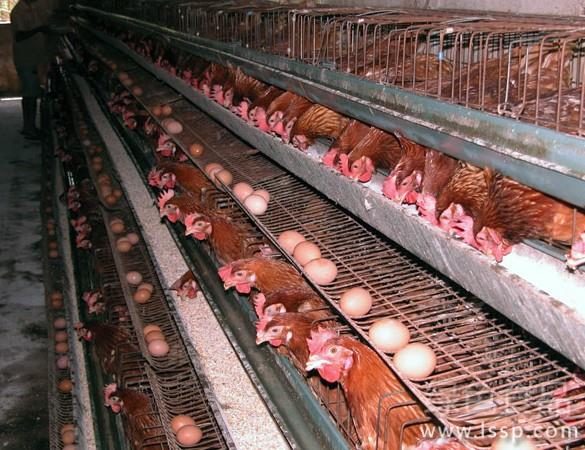
Laying hens
I. Clinical symptoms:Laying hens show decreased feed intake, increased water consumption, thinner droppings, open-mouth breathing, and an accelerated respiratory rhythm; the laying rate declines, thin-shelled eggs increase, and the albumen becomes watery. Some laying hens develop leg paralysis and are unable to stand, and severe cases die, with deaths mostly occurring at night.
II. Prevention and control measures.
1 Scientific feeding management and strict nutritional regulation. Before the summer heat arrives each year, promptly adjust the nutritional level of the laying hen diet so that the digestible protein in the diet reaches more than 16%. Ensure that the daily feed intake of each laying hen is no less than 110g, with a daily protein intake of about 18g. In addition to meeting the needs of laying hens for egg production, this nutrition is stored in the body to lay the foundation for safely getting through the summer.
After entering the summer period, the feed should be reformulated to ensure the daily nutrient intake of the laying hens. When modifying the formula, under the condition of meeting the required amino acids, keep the protein level as low as possible, and at the same time fat energy can also be used to replace part of the carbohydrate energy. This is because when laying hens break down and digest protein, fat, and carbohydrates, fat produces the least heat and protein the most. Temperatures are lower in the morning and evening, so feed frequently to stimulate appetite and increase the feed intake of laying hens. Reduce stocking density. Supply cool water and increase the number of times it is given. Sprinkle water on the ground or use spraying to dissipate heat, and water can also be sprinkled on the hens' heads and combs; when spraying, disinfectants can be added to achieve the dual purpose of cooling and disinfection.
2 Improve the chicken house environment. The chicken house and walls should be built with materials with good heat insulation performance, and the roof should be painted white. Planting flowers, grass, and trees around the chicken house can effectively lower the ambient temperature of the chicken house. Install fans inside the house to increase ventilation and promote body heat dissipation. At night, use maximum continuous ventilation to lower the temperature to below 20℃; the greater the temperature difference between day and night, the stronger the laying hens' ability to resist heat stress. A wet curtain can also be used for cooling, which can reduce the house temperature by 6-8℃.
3 Medication prevention. Adding water-soluble vitamins and minerals to the drinking water of laying hens can alleviate the excessive loss of minerals in the bodies of laying hens caused by increased water consumption at high temperatures. Add 0.3% sodium bicarbonate to the diet to increase the HCO3- content in the blood, increase Ca++ deposition in the eggshell, and reduce thin-shelled eggs. Adding 200mg of vitamin E per kilogram of feed can effectively regulate the corticosterone and thyroid levels of laying hens, thereby regulating the constancy of the internal environment of laying hens. Adding 200mg of vitamin C per kilogram of feed or drinking water is helpful for alleviating heat stress.