Broiler chickens have a high mortality rate from heatstroke in summer; how can heat prevention work be done well?
In summer, with high temperature and high humidity, broiler chickens are extremely prone to heatstroke. The disease onset is sudden, death is rapid, and mortality is high, bringing serious economic losses to chicken farmers. Therefore, heat prevention for broiler chickens in summer must be done thoroughly.
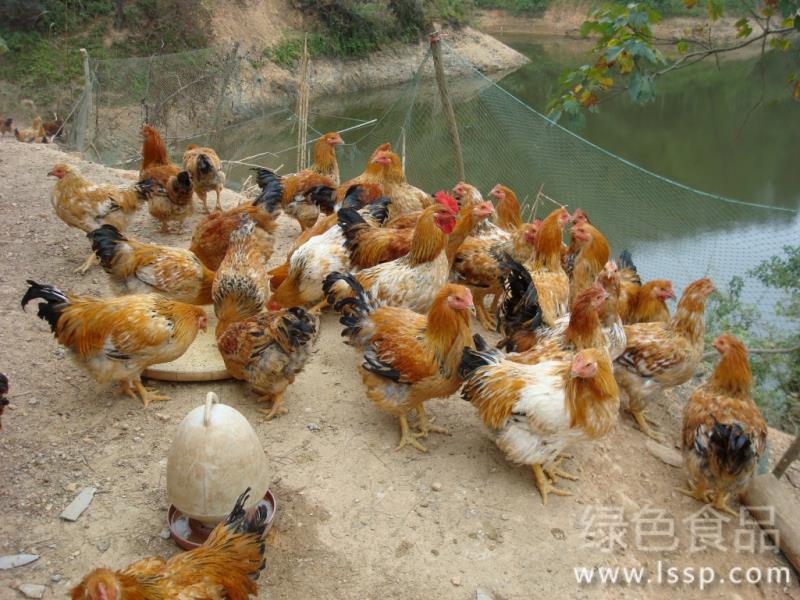
Broiler chickens
Causes of the disease:
High stocking density, insufficient ventilation volume, improper ventilation methods, insufficient drinking water, and high temperature and high humidity all easily cause heatstroke in broiler chickens. According to relevant data, when the temperature reaches 27°C, adult broiler chickens begin to pant; when the temperature reaches 33°C, broiler chickens are in a state of heat stress; when the temperature reaches 35°C and lasts for 10 minutes, some broiler chickens die. Deaths are mostly concentrated between 10:00 and 16:00, and nighttime deaths of broiler chickens are mostly caused by poor ventilation.
Clinical symptoms:
Broiler chickens with heatstroke show rapid breathing, open-mouth panting, wings spread out, a sharp increase in drinking water intake, and reduced feed intake. In severe cases, they cannot stand and die from collapse and convulsions, and they are mostly obese large chickens, with a large amount of water in the crop.
Specific prevention and control measures:
1. Reduce stocking density and reduce the number of broiler chickens raised per unit area. For standardized chicken houses, it is recommended to raise 8 broiler chickens per sq m; for open sheds, raise 6 per sq m.
2. Increase air volume, raise air speed, and ensure good ventilation. In current standardized chicken houses, use tunnel ventilation in summer, seal the small air inlets on both sides, and open the large air inlets; only in this way can the chicken house reach a certain air speed. For simple sheds, small fans can be installed for ventilation.
3. Administer anti-heat-stress drugs to enhance the anti-stress ability of broiler chickens. Add vitamin C to the feed, 100-150 grams per 500 kg; add baking soda to the drinking water of broiler chickens at a ratio of 1‰. At the same time, lower the drinking water temperature, use deep well water at 8°C~10°C, change the water frequently, and ensure sufficient drinking water.
4. For broiler chickens that have already suffered heatstroke, immerse them in cool water, or after immersion in cool water, blow them with an electric fan, relying on water evaporation to take away the chickens' heat and lower their perceived temperature.
5. In summer, with high temperature and high humidity, for broiler chickens raised on the floor, change the litter frequently to reduce environmental humidity, so as to alleviate the adverse effects of heat stress.