Comprehensive enteritis in broiler chickens occurs frequently in summer; how can it be prevented and treated?
Comprehensive enteritis in broiler chickens is a disease commonly found in commercial broiler chickens, characterized by diarrhea, undigested feed in the droppings, a marked decline in feed intake, slow growth, low feed conversion rate, dehydration, and sudden death. The disease is mainly caused by mixed infections of coccidia, viruses, and bacteria, and mainly affects commercial broiler chickens aged 30 to 40 days. Comprehensive enteritis in broiler chickens can occur throughout the year, but is most common from June to August each year.
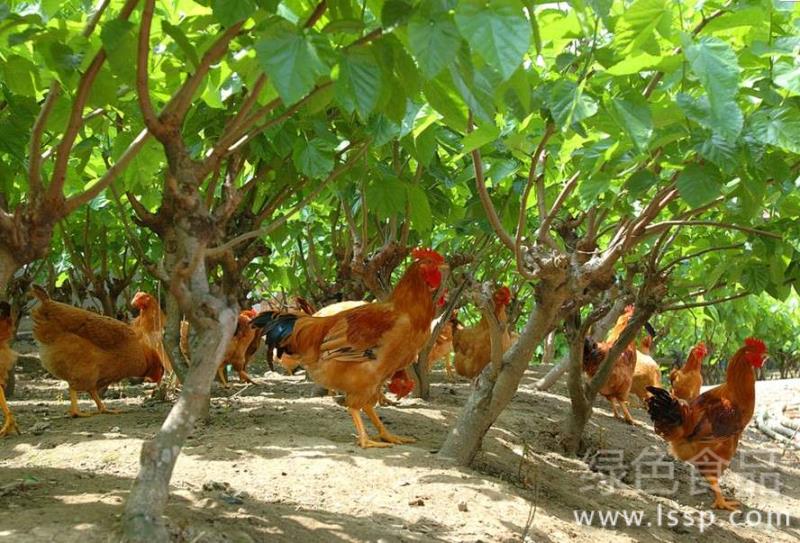
Broiler chickens
1. Clinical symptoms:
In the early stage of the disease, there are no obvious symptoms; the broiler chickens are normal in spirit and appetite, and the droppings of a few broiler chickens become thin and unformed, with undigested feed particles in the droppings. As the disease progresses, after 2 to 3 days the flock begins to have diarrhea; some broiler chickens have watery diarrhea that does not form piles, the droppings are pale yellow and contain large amounts of undigested feed particles, and at the same time the feed intake of the flock drops markedly. In the middle and late stages of this disease, broiler chickens show symptoms such as abnormal excitement, head and neck tremors, running and bumping around, and screaming; they are often restless and excited, and then die from paralysis and exhaustion, with sudden death occurring mostly before dawn.
2. Prevention and control measures
1. In seasons of high temperature and high humidity, ventilate the chicken house frequently, keep it clean and dry, maintain a reasonable stocking density, and prevent overcrowding, heat, and dampness.
2. Regularly thoroughly disinfect the chicken house, chicken cages, and environment with Nongxifu disinfectant; alternately use Weikang and Weishi for disinfection with chickens present; at the same time, promptly remove droppings and damp litter, and pile the chicken droppings and litter at a fixed location for centralized harmless treatment, to prevent contamination of broiler chicken feed and drinking water and cut off the route of transmission.
3. Although comprehensive enteritis is caused by multiple factors, the main cause is coccidiosis, so special attention should be paid to preventing coccidiosis in broiler chickens; at the same time, add sufficient vitamin A and vitamin E to the feed to improve the resistance of broiler chickens. The following methods can be selected for drug prevention: (1) Kediqiu mixed into feed. Mix 100 grams of Kediqiu into 500 kilograms of feed, mix evenly and feed, for 3 to 4 consecutive days; (2) regularly use Ruitiqi + Yimianjia in drinking water or mixed into feed.
4. In the early stage of the disease, there are no obvious symptoms, so in seasons of high temperature and high humidity, special attention should be paid to the condition of broiler chickens, and any abnormality should be diagnosed as early as possible. For treatment, comprehensive measures such as anti-coccidial treatment, clearing heat and detoxifying, antibacterial and anti-inflammatory treatment, regulating the intestinal internal environment, and supplementing some electrolytes and some vitamins are adopted. The specific treatment method can be chosen from the following options according to the condition: (1) Changlebin (10%) + Lubaokang + Yimianjia in drinking water; (2) Yangshafen + Lubaokang + Yimianjia in drinking water; (3) Hunuobin + Lubaokang + Yimianjia in drinking water. In severe cases, Delimixian can also be added to the feed at the same time.