Goat pleuropneumonia can cause death in goats; how can it be scientifically prevented and treated?
Infectious pleuropneumonia of goats is a contagious disease specific to goats caused by Mycoplasma mycoides subsp. capri. It can occur in all four seasons. Healthy goats become infected through the air when they come into contact with sick goats.
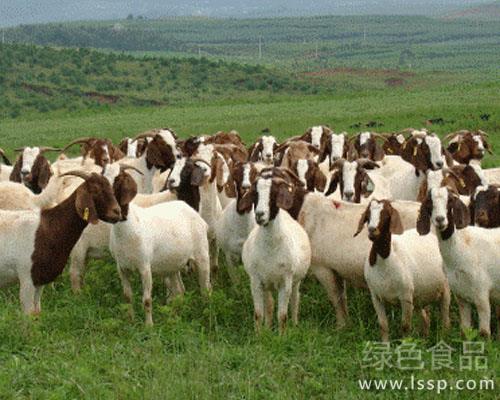
Goat
I. Clinical symptoms
The incubation period of the disease is 18 to 26 days, and the course of the disease is acute or chronic.
1. Acute: In the early stage of the disease, body temperature rises to 41 to 42°C. The goat is depressed, has reduced appetite, coughs, and pants, and often leaves the herd to stand alone or lie on the ground. Obvious pneumonia and pleuritis symptoms appear. The nostrils discharge a serous, viscous nasal fluid, the nasal mucosa and conjunctiva show severe hemorrhage or cyanosis, and breathing is difficult. In the later stage of illness, gastroenteritis often develops secondarily, sometimes with severe diarrhea, and the feces contain large amounts of intestinal mucosa and blood. The sick goat becomes emaciated and dehydrated, drinks water frequently, and dies within a few days.
2. Chronic cases mostly develop from acute cases. Generally there are no obvious pneumonia symptoms, and they often present with coughing, nasal discharge, diarrhea, progressive emaciation, and rough, dull coat. Growth often stagnates, and the course of the disease is relatively long.
II. Preventive measures
When purchasing goats, they must be raised in an isolation pen. After one month of isolation and observation, they can be merged into the flock only after being confirmed disease-free. After an outbreak, sick goats should be isolated for treatment. The goat sheds and utensils where sick goats stayed must all be thoroughly and strictly disinfected. In areas where the disease frequently occurs, aluminum hydroxide vaccine for infectious pleuropneumonia of goats should be used for preventive injection. Goats under 6 months of age are injected subcutaneously or intramuscularly with 3 ml, and goats over 6 months of age are injected with 5 ml. Strong immunity is produced 14 days after injection, and the immunity period is 1 year.
Goat
III. Treatment methods
1. In the early stage of the disease, treatment with neoarsphenamine has a relatively good effect. For adult goats weighing 30 to 50 kg, the dosage is 0.8 to 1.0 g; for growing goats over 5 months of age, the dosage is 0.2 to 0.3 g; for young goats under 5 months of age, the dosage is 0.1 to 0.15 g. Prepare a 5% neoarsphenamine solution with 5% glucose solution and slowly inject it intravenously (the neoarsphenamine solution must be prepared and used immediately). After 1 to 3 days, inject once more, and the dose must be slightly reduced. If there are still sick goats in the flock, inject once more.
2. Sulfadiazine sodium injection, 0.02 to 0.04 g per kg of body weight, divided into 2 intramuscular injections in the morning and evening. Neoarsphenamine and sulfadiazine sodium injection can also be used for prevention, with the dosage slightly reduced when used.
3. Honglian Gongzhi (oxytetracycline injection) and Boda compound sulfamonomethoxine sodium injection, 20 ml each for adult goats, injected separately, once daily, for 3 consecutive times. For young goats, reduce the dose according to body weight.
4. According to the different pathological changes, symptomatic treatment is given to goats. For example, when there is heart weakness, inject a cardiotonic; when there is dehydration, appropriate fluid infusion and rehydration are required; when there is gastrointestinal inflammation, administer gastrointestinal disinfectants.