High-yield summer feeding techniques: pay attention to the environment, but don't neglect the feed
Summer dairy cow management is mainly based on the principle of preventing heatstroke and cooling, alleviating the harm of high temperature and high humidity to dairy cows. However, in production, most attention is paid only to regulating the farming environment, while improvements to feed structure and feeding techniques are neglected, which affects milk production.
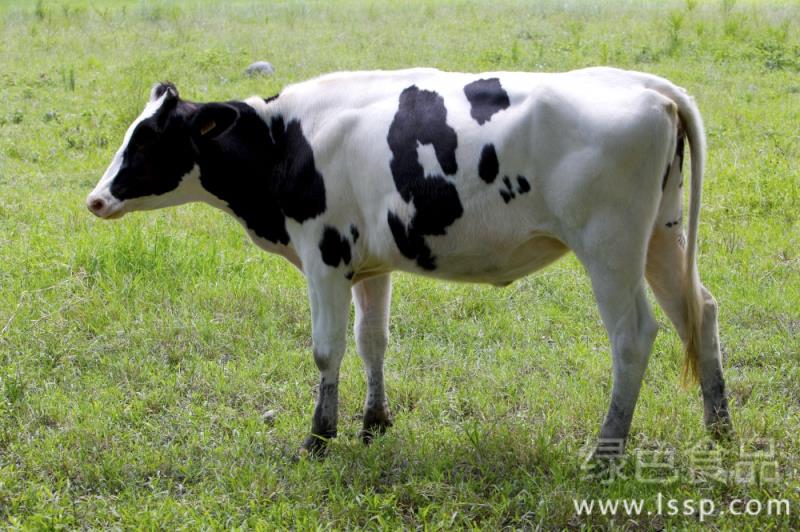
Dairy cows
1. Feed
In summer, dairy cows' appetite decreases and feed intake declines, leading to malnutrition and reduced milk production. According to measurements, dairy cows' feed intake begins to decline at 22-25 degrees C, and at 30 degrees C the decline can reach 40%. Therefore, during this period, the focus of feeding should be on improving dairy cows' appetite, feeding more palatable and easily digestible feed such as alfalfa hay, carrots, beet pulp, etc. Some rumen-protected fat substances such as calcium fatty acids and whole cottonseed can be added to the feed. The fat content in the diet can account for 5%-7% to meet the nutritional needs of dairy cows.
2. Feeding method
Higher temperatures can easily cause feed to ferment, spoil and deteriorate, so dairy cows should be fed small amounts frequently. For dairy cows in peak lactation, in summer it is advisable to feed 1-1.5 kg of concentrate per 100 kg of body weight, fed 4 times a day, and green juicy feed can be fed up to 35-45 kg per day.
3. Time
In terms of feeding time, the relatively cooler nighttime period of the day should be chosen to increase the amount of feed. From 8 p.m. to 8 a.m. the next day, the feeding amount can account for 60%-70% of the total daily ration, to ensure that dairy cows take in enough nutrients each day and give full play to their milk production potential.
4. Drinking water
In summer, dairy cows should be ensured clean and sufficient cool drinking water, and the number of drinking times should be increased accordingly, with the best effect at a water temperature of 10-15 degrees C.
5. Additives
In summer, because of increased breathing and sweating, dairy cows will suffer from mineral deficiency, so minerals such as potassium, sodium, magnesium, calcium and phosphorus should be added to the diet. Potassium can be increased to 0.8%-1.3%, sodium 0.5%, and magnesium 0.3%. Studies show that in summer, adding 5 mg of potassium iodide per dairy cow per day to the diet can greatly reduce heat stress in dairy cows and increase milk production by 24%. In addition, if 0.1%-0.2% methionine is added to the feed, it can increase dairy cows' milk production by 15%-24%. Urea phosphate is a new type of accelerator used domestically for ruminant livestock such as cattle and sheep. Supplementing 150 grams of urea phosphate per dairy cow per day increases daily milk production by 1.33 kg, increases daily weight gain by 10%, and increases feed conversion rate by 8%.