Rabbits have no sweat glands and are prone to coccidiosis; how can you help them get through summer safely?
Raising rabbits in summer is the most difficult, because rabbits have no sweat glands and poor heat dissipation, so high temperature and high humidity easily cause heat stress, especially in newborn and young rabbits, which are prone to coccidiosis. Therefore, breeders must pay attention to the following five points when raising rabbits in summer:
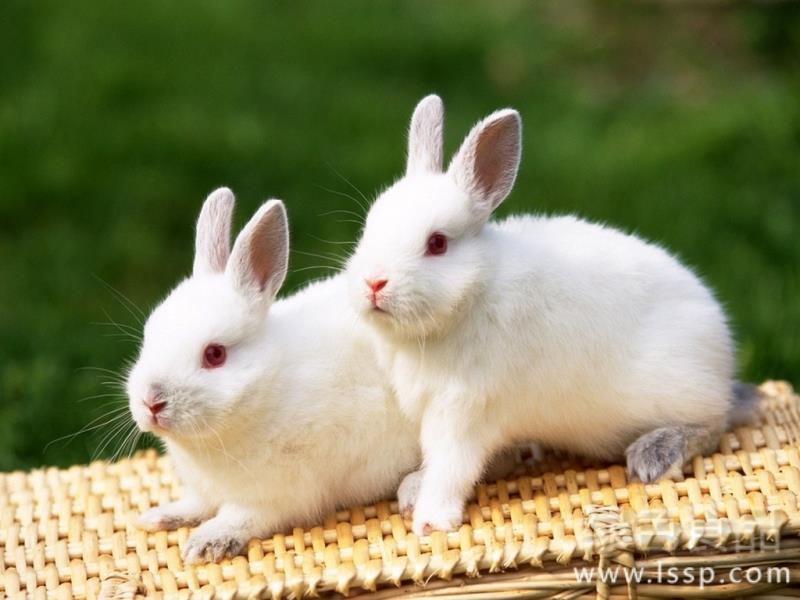
Rabbit
1. Control stocking density. When raising rabbits in summer, one rabbit per cage; for unweaned rabbits, 2-3 per cage; if cages are insufficient, free-range raising is acceptable.
2. Fresh and clean feed. Feed easily becomes moldy and spoiled in summer, so feeding spoiled forage is strictly prohibited. In summer, give rabbits more green feed; the green feed must be clean, and any with mud should be washed clean, drained of water, and then fed. Green feed that has been sprayed with pesticides or is rotten must not be fed.
3. Control breeding and reproduction. Summer temperatures are high, rabbits eat less and have poorer constitutions, so breeding should be suspended to prevent excessive physical depletion of breeding rabbits and an excessive burden on does. In addition, when breeding in summer, the newborn rabbits are born right during the plum rain season, which is not conducive to their growth.
4. Vaccinate regularly. Rabbit plague is a serious and highly virulent infectious disease that harms the development of the rabbit industry. There is no specific treatment, so prevention relies on vaccination against rabbit plague.
5. Deworm regularly. The intestinal parasite most seriously harming rex rabbits is coccidia. In summer, with continuous rain, coccidiosis easily breaks out and causes the death of rex rabbits. You can add 0.1% sulfadiazine dimethylpyrimidine to the feed, or evenly mix robenidine into the concentrate at a ratio of 20-30 grams per ton of feed and feed continuously for 7 days for prevention; when treating, double the dosage.