How to prevent and treat coccidiosis in laying hens with high summer mortality
Chicken coccidiosis is a common acute epidemic protozoan disease of chickens. This disease is widely distributed, occurs commonly and causes serious harm. Chickens aged 15-50 days are most susceptible to coccidiosis, but in recent years it has also occurred in laying hens from the start of laying to peak production, and the mortality rate is high, being most prevalent especially in summer when the temperature is 20-30°C and there is more rain. In affected flocks, the rise in egg production rate is slow, and the mortality rate is high; it is often mixed with E. coli infection, which increases the chicken mortality rate and reduces economic benefits.
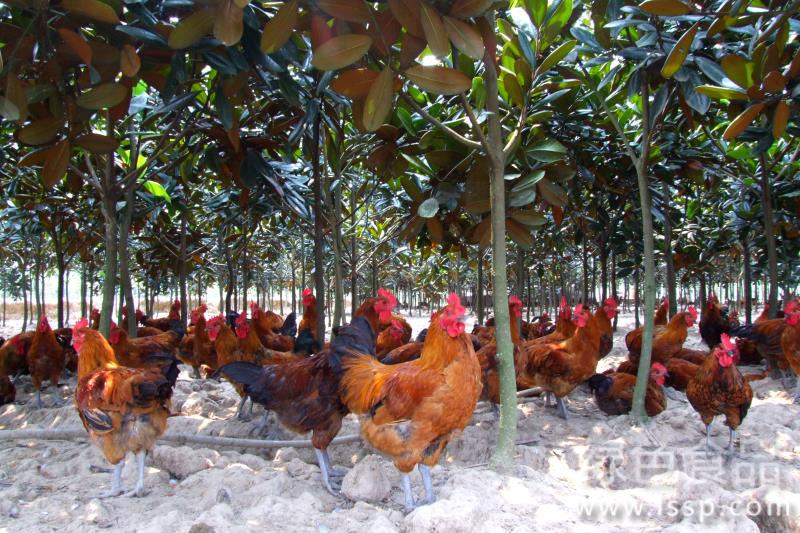
Chicken flock
I. Symptoms and lesions.Generally, in laying hens at the start of laying, around 160 days, egg production rises to about 60%. Affected chickens die suddenly with no visible symptoms on the surface. The feces are especially thin and have a fishy odor. Bloody droppings can be found in the feces. Necropsy changes: the two ceca are markedly enlarged, up to 3-5 times normal, brownish red or dark red; the cecal epithelium thickens, with severe erosion and even necrosis and sloughing; the ceca are often filled with cecal contents mixed with blood clots, and sometimes the intestinal tract is filled with coagulated or fresh blood. In some cases, in the middle section of the small intestine, the intestinal wall is dilated and thickened, with severe necrosis; at the sites where schizonts multiply, there are obvious pale white spots, and the mucosa has many small hemorrhagic points; the intestinal tract contains coagulated blood or carrot-colored gelatinous contents. In some cases, pinhead-sized hemorrhagic points appear on the intestinal wall, and the mucosa has severe hemorrhage. In others, the intestinal tract is thick and enlarged, the intestinal mucosa has a large number of hemorrhagic points, and the intestinal tract contains a large amount of purplish-black blood with sloughed intestinal epithelial cells.
II. Prevention and treatment.For the prevention and treatment of coccidiosis in laying hens at the start of laying, the principle should be to rely mainly on Chinese herbal medicine and use Western medicine as a supplement. This is because common anticoccidial drugs all have a certain effect on egg production, and excessive use of Western medicine will damage the chickens' reproductive system, thereby affecting their egg-laying function.
1. Strengthen feeding management. Keep the chicken house dry, ventilated and the poultry farm hygienic, thereby inhibiting the sporulation of coccidial oocysts; regularly remove feces and litter, and pile them at designated spots for fermentation, using biological heat to kill the eggs; regularly treat the ground with 3%-5% caustic soda or 20% quicklime milk.
2. Drug treatment. Qinghao powder: 200 g Qinghao (Artemisia annua), 200 g Changshan (Dichroa febrifuga), 180 g Baitouweng (Pulsatilla chinensis), 100 g Qinpi (Fraxinus rhynchophylla), 150 g Kushen (Sophora flavescens), 70 g Huanglian (Coptis chinensis), 100 g Chaihu (Bupleurum chinense), 100 g Gancao (licorice), 100 g Wumei (dark plum), add an appropriate amount of water and decoct twice over gentle heat, take the liquid for drinking; the dregs can be mixed into 400 jin of feed, increase the dose as appropriate for severe cases, and administer once as a concentrated dose according to the chickens' feed intake (medicated drinking water + medicated feed), generally for five consecutive days, together with diclazuril in the drinking water, while adding a small amount of vitamin K to the water, which can produce very good results.
III. Summary.In summer, the air humidity is high, and in order to cool the chickens, some water is often sprayed in the chicken house, which further increases the humidity inside the house and thus is more conducive to the development of coccidial oocysts. Improper feeding management and insufficient thorough hygiene and disinfection on some chicken farms cause the disease to spread within the house; therefore, to effectively control the disease, comprehensive prevention and treatment must start with improving the environment and reducing infection pressure, with the focus on promptly removing chicken manure and litter and doing a good job of ventilation and air exchange.