How to prevent moisture in broiler farming? Dampness easily slows broiler growth
When humidity is too high and the litter on the ground is damp, it easily hinders the growth of chicks and broilers and lowers feed conversion efficiency. When humidity and temperature are both high, the birds' perceived temperature rises and heat dissipation decreases, so they lose appetite due to the muggy heat, which affects weight gain; when temperature is high and humidity is low, the humidity lowers the broilers' perceived temperature and increases heat dissipation, making them prone to chilling. All these conditions hinder the growth and development of broilers.
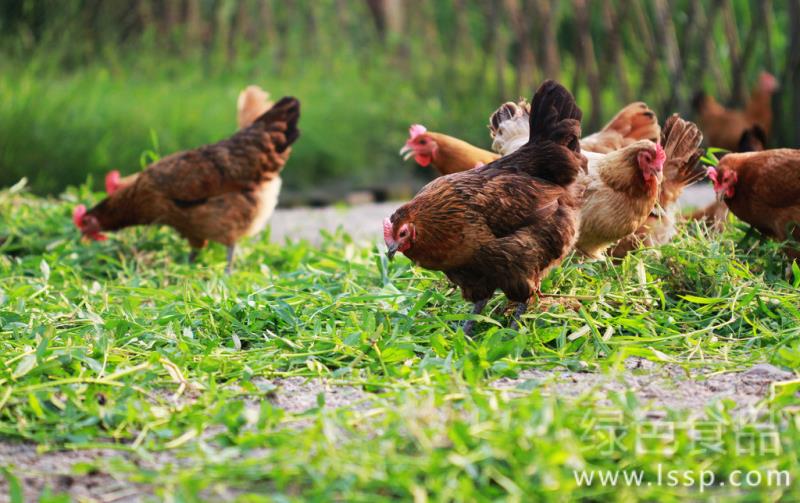
Broilers
Reduced reproductive performance. From a nutritional perspective, in damp seasons breeding broilers eat less, and on top of that mold in the feed multiplies rapidly, destroying the feed's components and reducing nutrient absorption, which lowers the fertilization rate of adult broilers, reduces egg production, and leaves breeding eggs with insufficient nutrients, easily causing dead embryos, weak embryos or weak chicks, leading to a lower hatchability rate and more weak chicks. From a disease perspective, damp litter and living environment for breeding hens easily increase the likelihood of breeding eggs being contaminated, with bacteria entering the eggs. Eggs containing bacteria easily burst during incubation, or produce dead embryos, weak embryos or weak chicks, and the mortality rate of broilers in the early brooding stage is relatively high.
Technical measures for moisture prevention
When raised on the floor, litter easily clumps due to dampness, so manure should be replaced and cleaned up in time; under normal circumstances, replace the litter once every 1-2 days, or add a layer of dry litter, and where conditions permit, use raised slatted rearing or cage rearing.
Prevent water leaks. With concrete-paved ground, the drainage ditches inside and outside the poultry house must drain well; drinkers or water troughs should be placed on the concrete floor or wire-mesh platform in the area without litter, with the ditch directly draining overflow outside the house, and taps and drinkers must not leak.
Avoid spray disinfection as much as possible; when it must be used, appropriately increase the concentration and reduce the amount of water used.
Feeding aspects. The salt content in the diet should be below 0.4%, do not let broilers consume high levels of sulfite substances, and do not misuse laxatives and the like.
Spread 500 grams of quicklime per square meter of ground to inhibit the activity of microorganisms in the litter and reduce dampness.