Laying hen egg production determines profitability, and extending the laying period is key
When the laying rate of laying hens is 80-90%, they enter the peak laying period. Generally, the peak laying period of laying hens lasts only about 4 months. Therefore, strengthening feeding management extends the peak laying period of laying hens and can increase egg production and economic benefits.
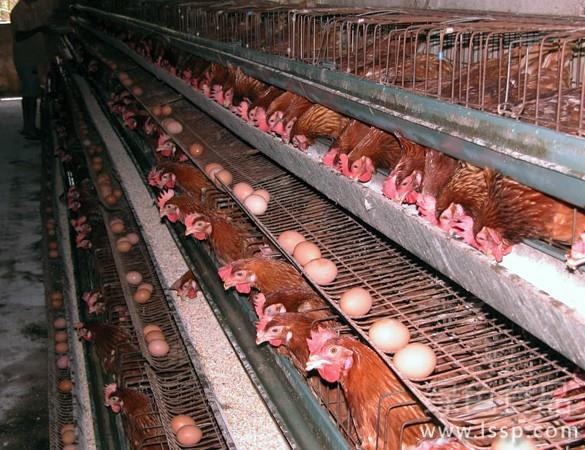
Laying hens
Sufficient protein:
During the peak laying period of laying hens, the demand for protein increases as the laying rate rises. For every 10% increase in laying rate, the crude protein content in the laying hen diet should increase by 1% accordingly. When the laying rate is 90%, the crude protein content in the laying hen diet should be about 19%. When egg production begins to decline, the dietary protein level should be maintained for one week before being lowered, which can delay the decline in the laying rate of laying hens.
Control the dietary energy level:
During the peak laying period of laying hens, the energy level per kilogram of diet should be controlled at around 2.75 Mcal. If energy is too high, it leads to reduced feed intake and protein deficiency in laying hens; if energy is too low, feed intake increases and protein is wasted.
Sufficient calcium:
During the peak laying period of laying hens, calcium should be supplemented appropriately. As the laying rate changes, the diet should contain 3%-4% calcium, and feeding in the afternoon each day gives better results. While supplementing calcium, feed troughs containing calcium feed such as shell powder and bone meal can be placed in the chicken house or exercise yard to allow the laying hens to eat freely.
Appropriate additives:
During the laying period of laying hens, each ton of feed should be supplemented with 100 grams of multivitamins, 1 kg of vitamin AD3 powder, 1 kg of choline chloride, 1 kg of methionine, and 1 kg of trace element growth promoter. Baking soda powder, protein essence, choline, oils and fats, etc. can also be used appropriately to improve the laying rate of laying hens and increase egg weight.
Correct lighting:
During the peak laying period, the daily lighting time for the flock should reach 16 hours. Once the lighting time is determined, it must not be reduced, otherwise it easily causes a decline in the laying rate of laying hens. If the lighting time is too long, it will increase the egg breakage rate. A lighting intensity of 3-5 watts per square meter of floor area is sufficient.