Domesticated hares find it hard to adapt to summer heat and high humidity, key points for raising them
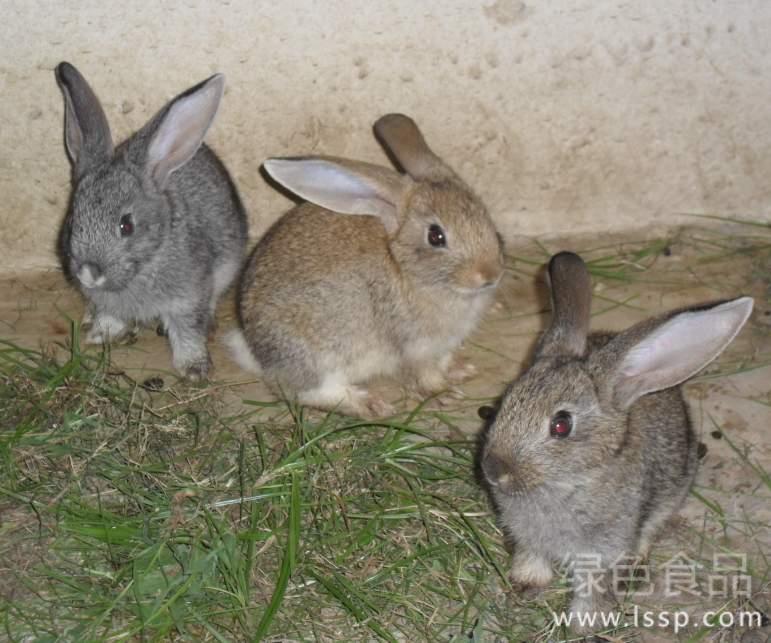
Domesticated hares
Clever diet matching. When feeding hares in summer, lower the energy level in the daily ration and increase protein; according to the hare's breed, sex and physiological stage, rationally match the proportions of concentrate feed, green feed and roughage, choose feed that is low in energy and high in protein, crude fiber should be controlled at 12%-14%, and choose green succulent feed with as little moisture content as possible; appropriately feed plants with medicinal value such as plantain, sweet wormwood, purslane, garlic, Chinese chives, watermelon rind and poplar flowers, which can not only meet the hare's nutritional needs but also have the effects of reducing inflammation, detoxifying, promoting diuresis and stopping diarrhea, and strengthening the stomach and inhibiting bacteria.
Clever feeding schedule. Feed every day, feed breakfast early, feed dinner late, feed a small amount of green feed at midday, add a night feed in the evening, and at the same time ensure an adequate water supply, add 1-2% salt to the drinking water, and concentrate 80% of the feed into the morning and evening feedings. In addition, do not feed grass carrying rainwater, soil or dew, do not feed thorny plants, do not feed moldy, spoiled or manure-and-urine-contaminated feed, and do not feed forage contaminated by pesticides or poisonous plants.
Clever disease prevention. Separate mothers from young, nurse at fixed times, and establish a system of grouping by size; promptly inject vaccines against rabbit plague, Pasteurella and Clostridium welchii; regularly give the hares drinking water with 0.01% potassium permanganate or 0.02% furazolidone; use a rack to feed grass or feed hanging grass; persist in using drugs to prevent hare coccidiosis, commonly used drugs include chlorobenzoguanide, coccidiostatin, coccidiocide powder and diaveridine, and note to alternate the drugs, and persist in wiping the belly of female hares with 2% Lysol solution every 10 days, then rinse with clean water and dry with gauze.
Clever mating during estrus. In summer, the mating of female hares needs to be rationally arranged. For breeding male hares, provide special cooling protection, raise them in a cool place at 22°C-28°C, and feed the male hares a complete-price daily ration rich in protein, vitamins and minerals; for breeding female hares, provide a nutritionally complete daily ration, shade them and prevent heatstroke. Arrange the mating time in the early morning or evening. Empty female hares should be mated before the end of June and after mid-August, avoiding mating in July, to prevent difficulty in conception during high temperatures due to poor semen quality in male hares. As for the mating method, combine double mating with repeat mating. Frequently observe female hares that have been mated, and promptly re-mate empty female hares.