Grass carp branchiomycosis is highly contagious with a high mortality rate; how can it be prevented?
In recent years, the intensification of aquaculture has led to large-scale outbreaks of acute branchiomycosis in grass carp farming areas. Branchiomycosis strikes swiftly, is highly contagious, and causes a high mortality rate, yet its early signs and symptoms are not obvious, catching fish farmers off guard. Let's take a look below at the preventive measures for grass carp branchiomycosis.
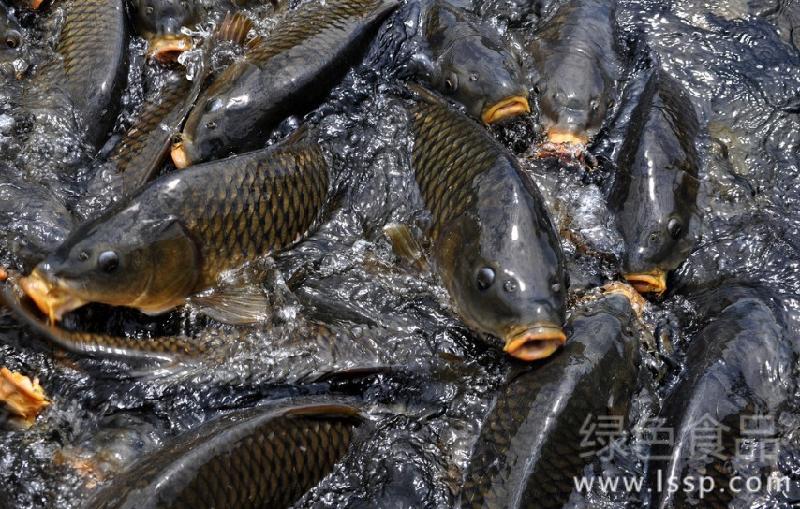
Grass carp farming
I. Classification of branchiomycosis:There has never been a definitive conclusion regarding the cause of grass carp branchiomycosis. Early research held that branchiomycosis was caused by parasites and bacterial viruses, but the latest research results indicate that branchiomycosis is mainly caused by viruses, and its clinical manifestations are similar to those of bacterial infection and parasite infestation, so it cannot be judged simply by observing the external features or clinical manifestations of grass carp. 1. Caused by Dactylogyrus parasitism; 2. Caused by Trichodina parasitism; 3. Caused by simultaneous parasitism of Dactylogyrus and Trichodina; 4. Bacterial branchiomycosis; 5. Viral branchiomycosis.
II. Causes:1. Excessive stocking density; 2. Incomplete feed nutrition; 3. Excessive feeding amount.
III. Preventive measures:
For the prevention and treatment of acute branchiomycosis in grass carp, the emphasis is on "prevention over treatment" - prevent early, treat early, the sooner the better. If preventive work is done well, there will be fewer fish diseases in grass carp. Prevention and treatment measures:
1. Clear and disinfect the pond. Before stocking grass carp fry, thoroughly clear the pond, and stock summer-fry grass carp that are robust, uniformly sized, and from the same source. At stocking, bathe the grass carp fry in 2%--4% salt water for 5~~20min. The recommended stocking density for grass carp is 600--1000 fish/mu, with a yield of 1500 jin/mu----2000 jin/mu.
2. Improve feed quality; improve additives, such as microecological preparations, Chinese herbal medicines, etc., and add an appropriate amount of Vc to improve the immunity of grass carp and enhance disease resistance.
3. Regulate water quality; water depth should be moderate, with transparency between 10~30cm.
4.Reasonable water exchange and aeration; especially on rainy days or in winter, ensure there is sufficient, fresh oxygen in the fish pond.
5. Prevent in advance; every half month, sprinkle disinfectant around the fish pond 1~2 times, generally using 250~500g bleaching powder. Regularly bundle Chinese herbal medicines such as Eucalyptus grandis, Pteris multifida, mugwort leaves, and camphor leaves into bundles and place them in the water to steep, turning them over every other day.
6. Cut off transmission routes; implement isolation, first seal off grass carp ponds or areas where disease has already occurred, and do not use tools in other ponds without disinfection. Patrol the pond frequently, and when diseased or dead grass carp are found, bury and destroy them promptly.