Autumn Chicken Farmers Busy with Chick Arrival: Key Points for Raising Chicks During the Brooding Period
Recently, the feel of autumn has gradually grown stronger, and the temperature is suitable, so chicken farmers are bringing in chicks one after another. Whether the management during the brooding period is scientific directly affects the later growth and development of the flock and the laying rate of laying hens. The points to note in chick rearing are:
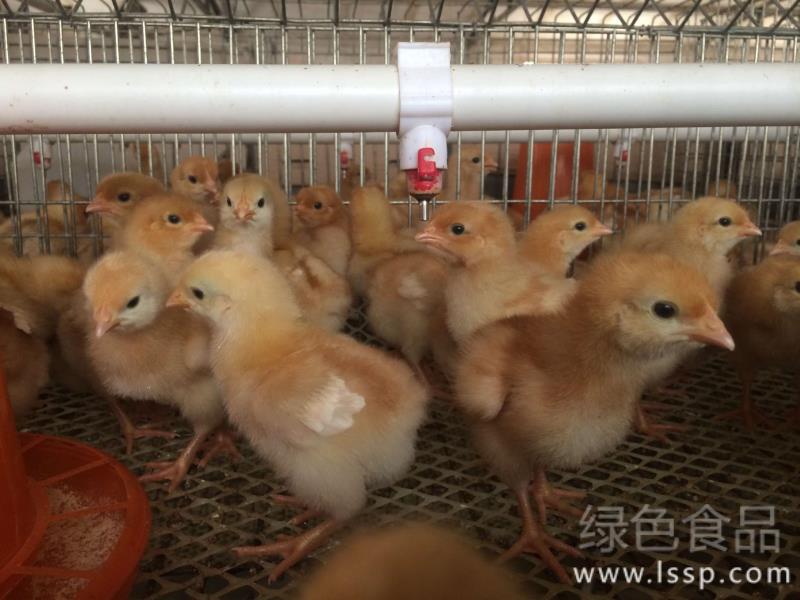
Chicks
1. Thorough disinfection before the chicks enter the house: before the chicks enter the house, a chicken house that has not been used for a long time should be thoroughly cleaned, damaged walls repaired, rat holes plugged, and rat damage prevented.
2. Select healthy, strong chicks with even development, clean, glossy, dry feathers, lively and active behavior, clear and loud calls, and large, bright eyes.
3. When the chicks first enter the house, pay attention to drinking water; the water temperature should preferably be close to room temperature.
4. Be cautious when starting the chicks on feed: after hatching, they can only begin after one day; the feed should be fresh, with a moderate particle size, preferably cooked to eight-tenths done, which is good for digestion, nutritionally complete, and from a large manufacturer; this can ensure quality and benefit chick growth.
5. While maintaining humidity, also pay attention to ventilation and air exchange, and avoid drafts and cold wind blowing directly on the chicks.
6. Density must be appropriate: chicks grow quickly, so as the chicks grow, increase the net area to leave suitable growing space for the chicks.
7. Suitable lighting: the lighting for chicks within 3 days should be maintained for 24 hours, and as age in days increases, it can be appropriately reduced.
8. Vaccines: during the brooding period, carry out disease prevention for the chicks, choose suitable vaccines of reliable quality. Then follow the instructions for feeding, eye dropping and nasal dropping.
9. Add multiple vitamins and trace elements to the chick feed, and add vitamin C to the drinking water, which can relieve chick stress.