Nighttime management of dairy cows is the key to increasing milk production
1. Feed an appropriate amount of night feed: Dairy cows are ruminants with a large feed intake and fast digestion. In addition to feeding enough forage during the day, an appropriate amount of forage should also be fed at around 10 PM at night, but not too much, so as to avoid indigestion in the cows, and then let the cows drink enough clean water. The drinking water should be warm in winter and cool in summer. This practice can not only meet the consumption needs of the cows, but also enhance their stress resistance and increase milk production.
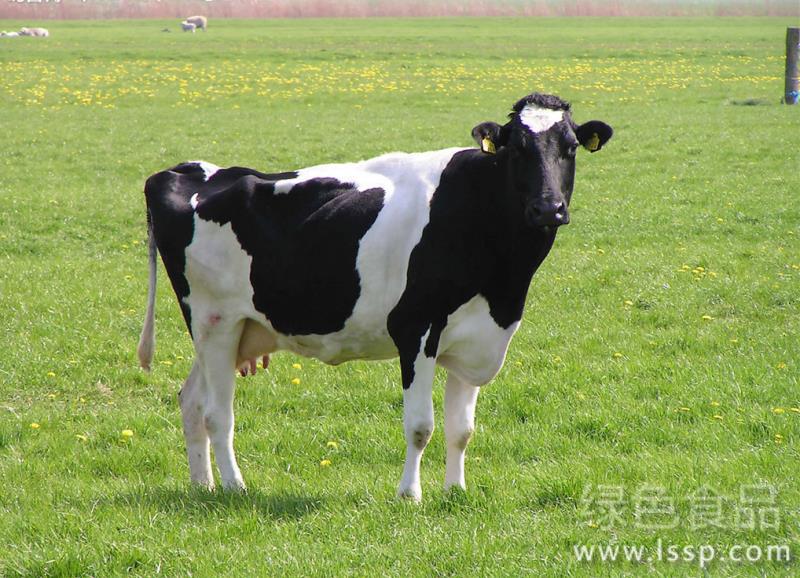
Dairy cow
2. Brush the cow's body at night: Every night at around 10 PM, before milking, use a brush to carefully brush the cow's body once from top to bottom and from front to back. This can not only keep the coat clean and glossy, but also promote blood circulation, regulate body temperature, allow the cow to spend the night comfortably, and increase milk production.
3. Extend the lighting time: Use white fluorescent lamps for illumination to extend the lighting from 9-10 hours to 13-14 hours, which can improve the feed utilization rate of dairy cows and increase milk production.
4. Keep it quiet at night: Dairy cows like quiet, especially at night, and are afraid of being disturbed. If frightened at night, milk production decreases and milk acidity increases.
5. Pay attention to warmth and cold at night: The most suitable environmental temperature for dairy cows is 8°C-21°C. In winter at night, keep them warm; in summer, prevent heat and lower the temperature.
6. Strengthen udder massage: Many dairy farms have the habit of milking in the evening. If you insist on massaging the cow's udder with warm water before milking, milk production can be increased by about 10%.
7. Make the sleeping bed well: Dairy cows lie down for a long time at night. If the cows are allowed to lie all night on wet and hard ground, milk production will be affected, and some diseases are also likely to be caused. Therefore, after milking every night, the cowshed should be cleaned thoroughly, and then soft grass should be spread where the cows lie down, so that the cows can sleep comfortably in a clean and dry environment.
8. Increase nighttime activity: If conditions permit, drive the cows outdoors at around 12 midnight for about 1 hour of activity, but do not go out in bad weather. This can improve the digestion of dairy cows, increase appetite, and increase milk production.
9. Do a good job of nighttime observation: Most dairy cows come into estrus at night. Cattle farmers should seize this critical moment to check the cow's estrus, rest, breathing, mental state, and so on. If problems are found, handle them promptly to prevent prolonging the cow's open period and affecting milk production.