Autumn is the golden period for cow breeding; when the weather turns cool and grass is plentiful, don't forget these precautions
In autumn the weather is cool, forage is abundant, feed is sufficient, bulls are full of vigor, and cows have short estrous cycles with long duration, making it the golden season for breeding. In practice, several points should be grasped:
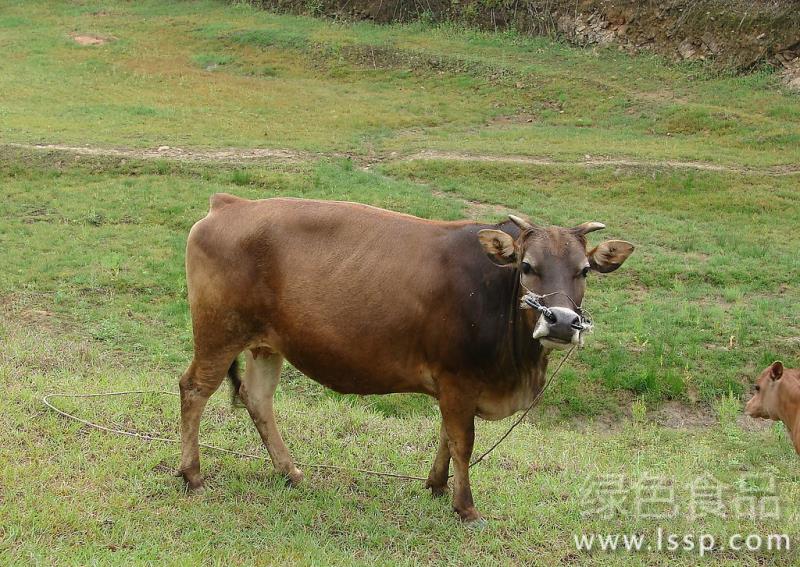
Cow
1. Balanced nutrition: prevent excessive obesity in cows caused by too much protein and energy feed intake, which affects breeding quality. For cows of breeding age, maintain moderate body condition, neither too fat nor too thin. If a cow's body condition is poor, appropriately adjust the feed ratio, increase nutrition and feeding frequency, extend grazing time, and cut grass to feed the cow, so as to bring the cow into estrus. Nutrition should be balanced at ordinary times.
2. Estrus induction. To ensure cows come into estrus during the optimal conception season and to improve the conception rate, cows that have not been in estrus for a long time may be appropriately stimulated. ① Teasing. Let a bull in estrus chase cows not in estrus to prompt them into estrus. ② Estrus induction with Chinese herbal medicine.
3. Timely breeding. After a cow comes into estrus, its appetite decreases, it is restless and excited, likes to approach bulls, mounts and is mounted by other cows, often assumes a urination posture but passes little urine, the vulva is flushed, congested and swollen, slightly open, and discharges white, semi-transparent mucus; a few cows may also discharge a small amount of blood. At this time, if you touch the cow's rump, the tail is raised high, the cow is quiet and motionless with the two hind legs spread, making mating movements. Afterwards, appetite gradually recovers, libido declines, external genital swelling gradually subsides, and the mucus becomes scanty and thick (on rectal examination, estrus is at the stage of follicle maturation or ovulation); at this time, breeding or insemination of the cow is most appropriate. Artificial insemination can improve the conception rate of cows, especially the rectal palpation method, which gives even better results.
4. Strengthen management. During the breeding period, green forage and concentrate feed for breeding bulls should be increased. Within 1-2 hours after breeding, cows should not engage in strenuous exercise, and should avoid drinking water or eating too much. Within 15 days after breeding, feed supplements at night, add 1-1.5 kg of wheat bran, and provide clean drinking water containing a small amount of salt to promote implantation of the fertilized egg. During pregnancy, feed cows feed rich in protein, vitamins, and minerals to meet the needs of the cow and the development of the fetus, placenta, and uterine body; strictly prohibit feeding moldy, spoiled, frozen, toxic, overly acidic, or highly irritating feed to prevent enteritis, miscarriage, weak fetuses, or stillbirth. The cattle shed should be quiet to prevent miscarriage in cows caused by excessive fright, crowding and bumping, slipping and falling, whipping, or head-butting.