Free-range broiler chickens have many benefits but also drawbacks; prevention and control of parasitic diseases must be taken seriously
After chicks are taken off heat, they are raised indoors for one to two months until they reach 0.5-1.0 kg, then released into orchards, fields, grassland, and hilly areas for fattening. This method has advantages: first, it saves feed and lowers raising costs; second, it makes full use of poultry-raising equipment and idle land, improving the utilization rate of equipment and land; third, it increases the exercise of the broiler chickens, and they can also eat wild grass, insects, etc., improving chicken meat flavor and quality. However, there are also drawbacks: many insects such as grasshoppers, ants, house flies, and earthworms are intermediate hosts of broiler chicken parasites, and after chicks peck at and eat them, they are prone to parasitic infections. For this reason, free-range broiler farming requires strengthened prevention and control of parasitic diseases.
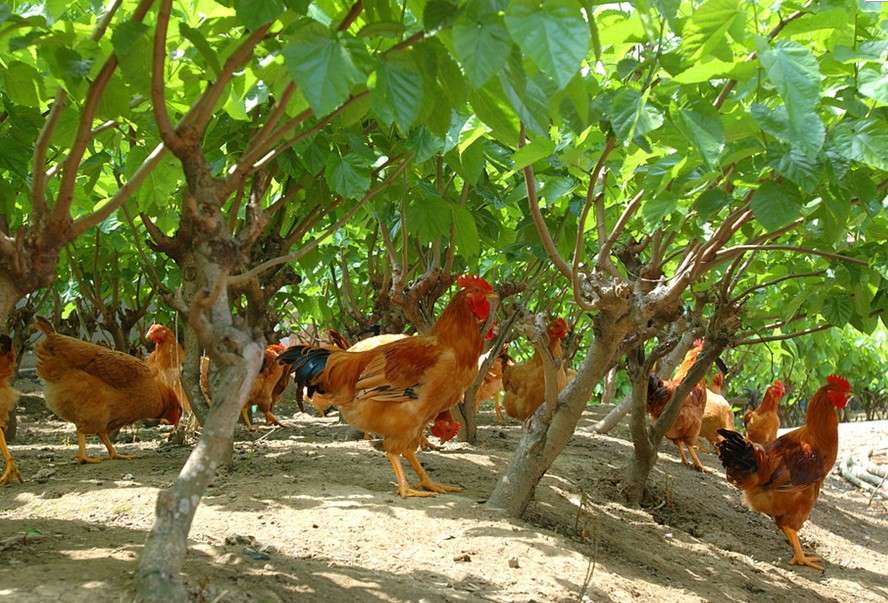
Broiler chickens
1. Common parasitic diseases of broiler chickens:
1. Chicken Raillietina tapeworm disease: (1) Infection characteristics: In the external environment, the eggs of Raillietina tapeworms develop into oncospheres and cysticercoids in the bodies of insects such as house flies, ants, and beetles. When these insects are swallowed by broiler chickens, they are digested and the larvae escape, developing into tapeworms after 2-3 weeks and parasitizing the chicken intestine. (2) Symptoms and harm: After chicks are infected, they have long-term diarrhea, reduced appetite, emaciation, pale combs, ruffled feathers, drooping wings, stunted development, and massive deaths.
2. Chick roundworm disease: (1) Infection characteristics: The main source of infection is adult chickens carrying the worms, and the eggs they excrete can survive in the bodies of earthworms. After chickens ingest earthworms containing eggs or drink water, the larvae escape in the chicken intestine, parasitize, and cause infection. (2) Symptoms and harm: anemia, diarrhea, blood in the feces, halted development, rapid emaciation, and death in severe cases.
2. Prevention and control measures:
Active prevention in the early, middle, and late stages of free-range broiler farming is the key to preventing parasitic diseases in broiler chickens. The specific measures are as follows:
1. Do a good job of deworming: One month before free-range release, carry out the first deworming; 15-20 days after release, carry out the second deworming; afterward, deworm once every 1-2 months until market.
2. Manure treatment: Frequently clean the manure in the chicken house and replace the bedding, and pile it at designated spots for fermentation to kill worm eggs.
3. Strengthen feeding management: Keep the chicken house dry and well ventilated, and disinfect thoroughly on a regular basis; observe the dynamics of the broiler flock and achieve “early detection, early treatment”; prevent chicks from being caught in rain and harmed by animals; reasonably adjust the quality of concentrated feed to enhance the resistance of broiler chickens.
3. Treatment: Once cases of parasitic infection in broiler chickens are found, treat them promptly.