Grasp sheep feeding and management well in early autumn, when forage is abundant and the temperature is suitable, it is the right time
Since the beginning of autumn, the weather has changed greatly and the temperature difference is also large, so sheep farmers should manage their flocks well. Autumn is the golden season for ewe breeding. To increase the lambing rate and meat production rate, five tasks must be carried out well:
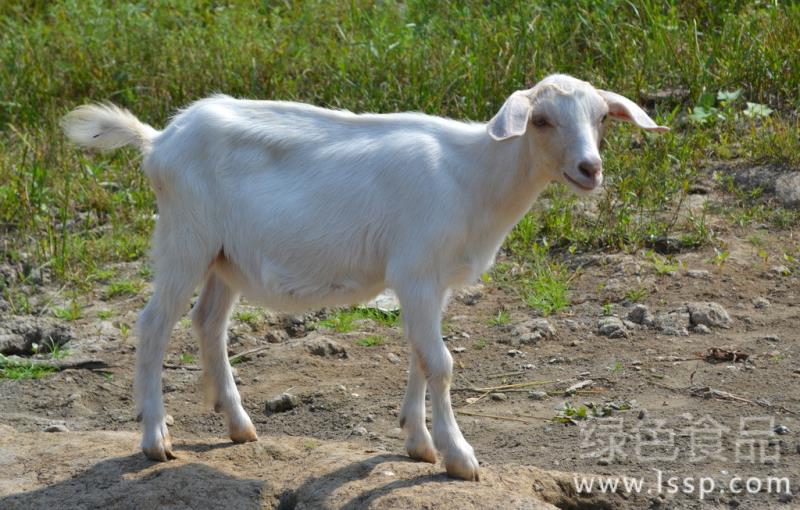
Sheep
First, do a good job in breeding.In autumn, ewes are in good body condition, come into estrus normally, ovulate more, conceive easily, and this is favorable for fetal development. Doing a good job in ewe breeding can increase the conception rate and lambing rate. Ewes 1.5 years old can be bred. Signs of estrus in ewes: reduced feed intake, restless bleating, reddened and swollen vulva, discharge from the vagina, frequent tail wagging, estrus lasts about 12 days, and breeding is best about 30 hours after the start of estrus.
Second, do a good job in supplemental feeding.The flock grazes during the day, and at night should be given supplemental concentrated feed that is rich in nutrients and highly palatable, so as to promote growth and fattening. For ewes in mid-pregnancy, supplement 0.2-0.3 kg of concentrated feed per ewe per day, and 0.45-1 kg in late pregnancy; for lactating ewes in the early stage, supplement 0.5 kg of concentrated feed per ewe per day, reducing to 0.3-0.45 kg in the middle stage, and supplement 0.7 kg for ewes with twin lambs. Do not feed moldy or spoiled forage, provide enough drinking water, and add an appropriate amount of salt.
Third, do a good job in grazing.In early autumn, mornings and evenings are cool and noon is hot. When grazing, go out early, avoid the heat at noon, and return late; the grazing time can be appropriately extended. In mid and late autumn, on frosty days, go out late and return late; on frost-free days, go out early and return late. Do not let them drink dirty water; provide well water or spring water twice a day. In late autumn, grazing requires attention to keeping warm, and in mountainous areas the flock should be led to sunny slopes with better forage growth for grazing.
Fourth, do a good job in preventing miscarriage.Strictly prevent pregnant ewes from being frightened, do not let pregnant ewes run fast or jump ditches, and especially when entering or leaving the pen gate or during supplemental feeding, prevent them from squeezing each other; do not feed moldy, spoiled, or toxic forage, and strictly forbid drinking cold water on an empty stomach; in late pregnancy, vaccination injections are strictly forbidden. For ewes with habitual or congenital miscarriage, it is advisable to inject veterinary miscarriage-prevention injections at the appropriate time.
Fifth, do a good job in epidemic prevention.Before breeding the flock, deworm the flock once with levamisole or albendazole, and inject vaccines (bacterial vaccines) to prevent infectious diseases. Residual debris and leftover grass in the sheep shed should be removed frequently, keep it dry and clean, and regularly disinfect with a 2% caustic soda solution, 3% carbolic acid, and 2% formalin solution. Frequently brush the sheep's body to promote blood circulation and enhance disease resistance. If the flock develops bloating and poisoning after eating regrowth grass and leguminous forage, promptly perform puncture and gas release at the ribs, and give the sheep a one-time oral dose of 5 grams of ichthammol and 20 ml of alcohol, with 100 ml of water added.