Prevention and Treatment Methods for Infertility Caused by Endometritis in Dairy Cows
Endometritis is one of the important causes of infertility in dairy cows. Dairy cow endometritis is closely related to the external environment, feeding management, the cow's own metabolism, nutrition and other factors. When dairy cows are in an environment where microorganisms multiply in large numbers and their own resistance is reduced, the probability of endometritis occurring is high. Therefore, endometritis should be comprehensively prevented and treated according to the principle of "prevention first, prevention is more important than treatment."
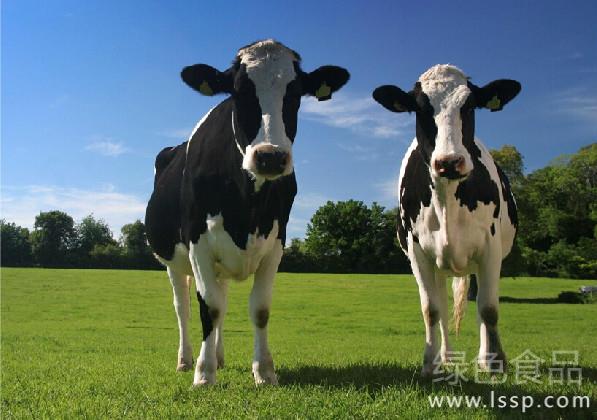
Dairy cow
I. Strengthen feeding management:Feed forage and feed scientifically and reasonably to improve the nutrition of dairy cows, and achieve early detection and early treatment so as not to miss the best treatment period.
II. Do a good job of cattle farm hygiene:Pay attention to site hygiene. Keep cattle beds, cattle sheds and exercise yards dry, disinfect regularly, and promptly handle cattle manure, standing water and sewage; keep the cow's body clean and dry.
III. Control prenatal and postpartum infections:Establish a separate maternity pen and disinfect it regularly. Before the cow gives birth, the maternity pen and the cow's vulva, etc. should be disinfected. When assistance during calving is needed, the assistant's arms and the obstetric instruments should be disinfected. The maternity pen, maternity bed and dairy cow should be kept clean and hygienic and strictly disinfected. Within 24-48 hours after calving, antibiotics should be infused into the uterus once to prevent postpartum uterine infection. If the fetal membranes have still not been expelled 12 hours after calving, measures such as drug injection should be adopted at this time to avoid uterine infection. One week after calving, attention should be paid to the hygiene of the maternity bed, the cow's vulva and the hindquarters.
IV. Avoid contamination during breeding:1. Semen diluent, dilution equipment and insemination guns should all be strictly disinfected; semen should be drawn and diluted under sterile conditions; during insemination, the cow's vulva should be cleaned with disinfectant solution; when inserting the insemination device, avoid contaminating the insemination device with dirt and carrying it into the cow's vagina and uterus. 2. During artificial insemination, equipment, personnel and dairy cows must be strictly disinfected to avoid infection of the cow's reproductive organs. During insemination, the insemination gun should slowly pass through the cervical folds to avoid damaging the cow's cervix or uterine mucosa and causing uterine infection.
V. Pay attention to postpartum adjustment:Postpartum drug adjustment can promote uterine involution and early estrus in dairy cows. For dairy cows with weak postpartum uterine contractions, estrogen, posterior pituitary hormone, etc. can be injected. Chinese herbal medicines that regulate qi and blood, activate blood circulation and remove blood stasis, promote uterine contractions, and promote and restore postpartum reproductive function in dairy cows can also be administered orally, such as Chanhou Gongkang Wang, Shenghua Tang, Buzhong Yiqi Tang, Taohong Siwu Tang, etc. Dairy cows with normal calving should immediately be given orally pure Chinese herbal preparations mainly based on Shenghua San, such as Chanhou Gongkang Wang, or 50 milliliters of Qinggong Ye after calving. One month after calving, the uterine involution of the dairy cow should be checked, and dairy cows with poor involution should be treated promptly. To promote early estrus in dairy cows, Chinese herbal medicines that tonify the kidney and support yang, such as Yinyang Huo and Cuiqing San, can be fed to the dairy cows. Gonadotropin-releasing hormone can also be injected.