Management of Laying Geese During the Autumn Peak Production Period: Grazing, Enhanced Nutrition, and Disease Prevention
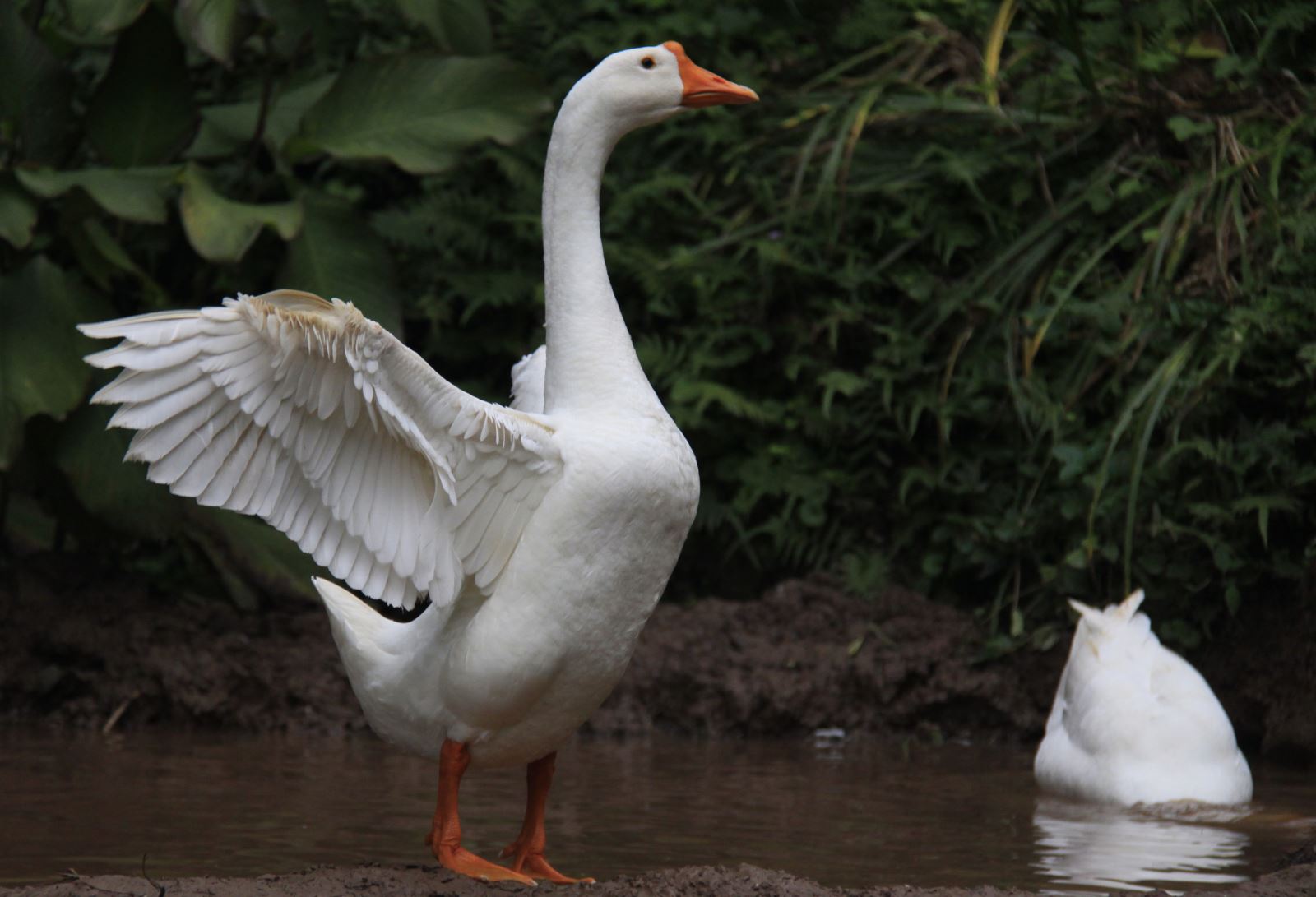
Geese
Strengthen Management
Feeding: During the laying period, geese should be raised mainly indoors with grazing as a supplement. Daily ration proportions: grains 60%-70%, cakes 10%-15%, bran and middlings 10%-15%, filler (grass meal) 10%-15%, mineral feed 4%-5%. Regarding feeding amounts, in addition to free-range feeding, large goose breeds should be given 150-180 grams per bird per feeding, and small goose breeds 100-130 grams, fed 3 times a day. Feeding should be at fixed times and in fixed amounts, with coarse feed first and fine feed after. In the morning, graze until 10 o'clock, then return to the shed to feed; after feeding, let the geese rest in a shaded area by the water and provide green feed; at 2 PM, feed once; after 3 PM, graze; after returning to the shed at dusk, feed a third time.
Lighting:During the laying period, geese should receive no less than 13 hours of light per day; during the peak laying period, 15-16 hours of light should be provided.
Grazing: (1) Laying hens move slowly, so when grazing, they should only be allowed to follow along and must not be driven hastily. Slopes and uneven roads should be avoided as much as possible to prevent internal abdominal and oviduct bleeding in the hens, which can lead to peritonitis and other conditions. Collect breeding eggs promptly; during grazing, if geese are found unwilling to follow the flock, calling loudly, restless, or seeking nests as signs of laying, they should be promptly driven or carried back to the shed to lay.
(2) Paired grazing: Geese are most active in feeding in the early morning and evening, so flocks should be taken out early and brought back late; when they are about 80% full, they should be driven to a water source to drink and splash. In hot weather, the frequency of water release should be increased and the time extended. Take care not to let grazing areas and water sources be contaminated by pesticides, and carry out rotational grazing on grazing grassland, stubble fields, and plot fields according to plan.
Management:(1) Exercise: The water exercise area should be of an ideal size. For every 100 geese, the water exercise area should be 40-60 sq m.
(2) Prevent eggs laid outside the nest: Most hens lay from the latter half of the night until before 10 AM; at this time they should not be grazed and should be supplementary-fed in the shed. Hens will choose nests to lay, so laying boxes or nests should be set up in the goose shed. Pay special attention to first-time laying hens to prevent eggs laid in the field or in water.
(3) Control broodiness: Broodiness during the laying period affects laying performance. Geese can be isolated and kept in a well-lit, ventilated place with only water and no feed; after 2-3 days, give a small amount of feed, or use drugs such as "Xingbaoling" to break broodiness and restore laying.
Laying Geese
Improve the Fertility Rate of Breeding Eggs:To improve the fertility rate of goose breeding eggs, apart from considering the nutrition of breeding geese, the mating ratio should be 1:5-10. Gander are prone to fighting; during morning and evening mating, they should be driven apart promptly to prevent the gander from being injured. The service life of gander is 3-4 years, and inferior geese should be culled every year and new gander added.
Disease Prevention and Control:In large-scale goose farming, whether profits are high or low depends on whether management is adequate, and whether success or failure depends on whether epidemic prevention is carried out. In large-scale goose farming, keep the goose shed clean, the ground dry, and the pens ventilated; clean regularly; disinfect the site and equipment with drugs at regular or irregular intervals; when an outbreak is discovered, isolate and treat promptly and deeply bury dead geese; carry out regular epidemic prevention and deworming, inject the goose flock with gosling plague vaccine, avian influenza vaccine, egg drop syndrome bacterin, etc. according to the immunization program, and regularly invite veterinarians to come and check for parasites and deworm.