Autumn Tips for Pigs to Gain Weight: Scientifically Mix and Feed Deworming Feed
I. Deworm the Whole Herd
In autumn, besides doing a good job of cleaning, sanitizing and disinfecting the pig herd and pig housing, the parasite infection status of the pig herd should also be monitored through regular fecal examinations and necropsies, and disinfectants that kill coccidian oocysts should be used as appropriate. At present, avermectin is the main drug for killing parasites in pig herds, mainly available in powder, tablet and injection forms. The timing should be chosen well to deworm the entire pig herd. Sows should be dewormed once 14 to 21 days before farrowing. Sows should be treated once 14 days before mating, and boars once each in spring and autumn. Fattening pigs should be dewormed once at 35 to 40 days of age, and then once every 2 months until they are sent to market. In addition, green feed contains many kinds of parasite eggs, such as liver flukes, roundworms and other nematodes, so it should be washed clean before feeding.
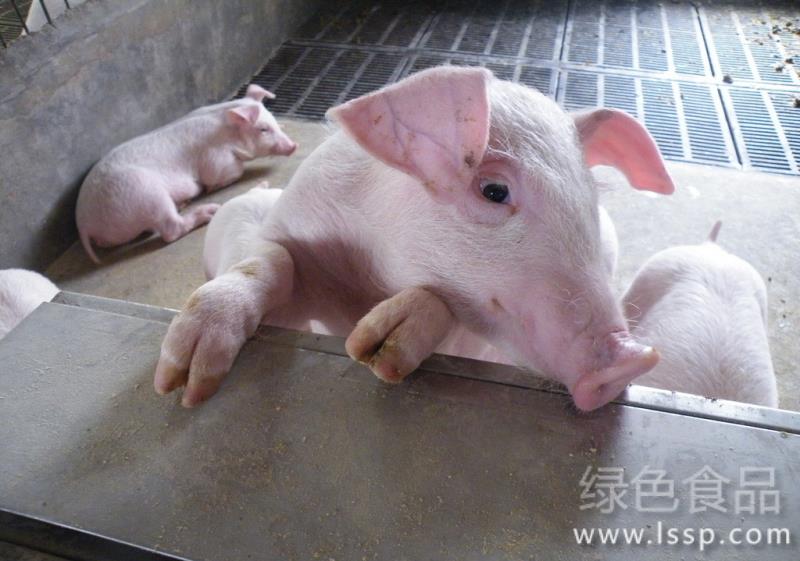
Pig Farming
II. Feed Mixing and Feeding
Concentrate feed, roughage and green feed should be reasonably matched. Concentrate feed and roughage should be crushed to help pigs digest them. Whether feeding raw feed wet or mixing the mixed feed with chopped green feed and letting the pigs eat freely, the feed should not contain too much water. Piglets can be given a 0.1% potassium permanganate solution to prevent white scour in piglets. For pigs fed dry feed, sufficient clean drinking water should be provided; in autumn, the amount of drinking water is 4 times that of the dry feed.
Green feed must be paired with 40% concentrate feed, and 10% glutinous rice bran can also be added to the pig feed. When feeding, feed the concentrate first, then the green feed, 4 times a day, and each time the pigs should finish eating within half an hour. When many pig farmers use pellet feed to feed pigs, they still do the same as with powdered feed, first adding water to mix it into porridge, and some even soak the feed with water or cook it, which destroys the nutrition of the pellet feed.
III. Pair Sweet Potato with Radish
Sweet potato is a high-energy feed. Sweet potato should be scientifically mixed and matched with feeds high in protein, calcium and phosphorus, such as corn, soybean cake, wheat bran, rice bran, fish meal, bone meal and additives, to ensure balanced feed nutrition. In addition, sweet potato should account for less than 50% of the entire feed. Never feed sweet potato alone, to prevent nutritional imbalance. Also, do not feed it raw. It is best to chop sweet potato and radish at a ratio of 2:1, cook them until soft and mushy, let them cool until not hot to the touch, then mix in an appropriate amount of dry yeast and feed. Cooked sweet potato should not be left in the pot for too long, to prevent souring and spoilage. The proportion of sweet potato in piglet feed should not exceed 30%.
IV. Store Feed in Time
Peanut vines, soybean stalks, tuber crops and bean pods and stems can be sun-dried, crushed and then fed to pigs. Green grass and green vegetables can be fermented or soaked into pickled vegetables before being fed to pigs. The specific method is: wash clean and cut short the grass, vegetables, melons, leaves, etc., put them into a vat, press them down layer by layer, and when the vat is 80% full, cover it well with a straw curtain and press stones on top, but do not add water. After a few days, the feed will sink, then fill the vat with water. To isolate the air, after fermenting for another day, it can be taken out to feed the pigs. If the mouth of the vat is sealed tightly with plastic film and tied tightly all around and sealed well, it can be stored for a long time without spoiling, and can also be sun-dried or oven-dried. Note that rapeseed cake that has not been detoxified should not exceed 10% of the pig's daily ration; bean feed should be cooked before feeding to help protein absorption; the feeding amount should go from less to more so that the pigs gradually adapt.